Holiday Home As A Passive Income Stream: How to Make Land Pay
10 Sep 2025
The rise of short-term rentals, glamping, and eco-stays has opened new ways to monetise your land year-round. With the growing popularity of platforms like Airbnb and Booking.com, more travellers are opting for non-traditional stays, such as cottages and villas, making owning holiday land a smart way to build a steady passive income stream.
There are two strong reasons to invest in holiday land. First, holiday homestays often offer higher rental yields than city properties. Second, they also grow in value over time, making them a strong investment choice.
In this blog, we will explore the possibilities to turn your holiday land into a steady source of income.
What Type of Land Can Earn You Rental Income?
Not every plot of land can earn. However, these three types of land investments have rental potential:
- Raw Land: It’s affordable, but you need to develop it from scratch. Taking building permissions, electricity, water supply, and road access can consume time and money. Another option is leasing it out to a developer and getting a fixed guaranteed income.
- Plotted Developments: These are ready-to-build lands within gated or managed communities. You get utilities and basic infrastructure, which speeds up the setup.
- Self-Built Cottages or Villas: These are complete properties built on land. Once ready, they can be listed on Airbnb or similar platforms for short stays.
Factors That Make Holiday Land Rentable
To make your holiday land a steady income source, you need the right combination of features. Here are a few key factors to consider before making an investment.
1. Tourist Footfall
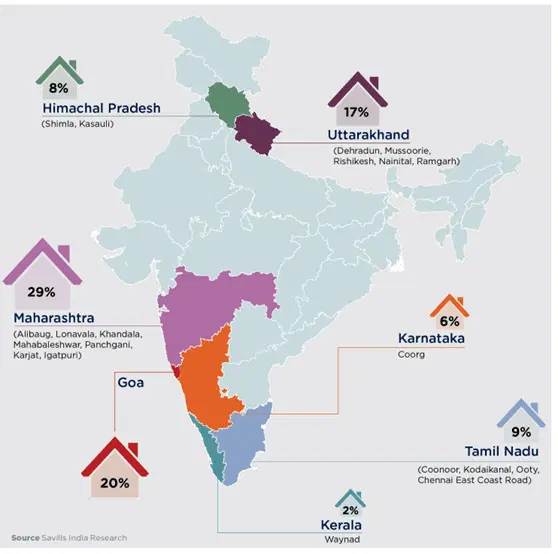
Higher footfall brings more bookings. Locations such as Goa, Shimla, Udaipur, and Rishikesh have consistent tourist interest year-round or at least peak seasons.
2. Accessibility
Can visitors reach your property easily? Good road connections, public transport, and proximity to bus stands, airports, or railway stations matter a lot.
3. Legal Approvals
Short-term rentals require approval. Check with local development bodies and ensure the land is legally clear for building and renting.
4. Seasonality
Tourist traffic is not the same all year. Some places go quiet during monsoon or harsh winters. If your property lies empty for months, your earnings can drop significantly.
5. Platform Regulations
Airbnb and other rental sites follow local rules. Some cities or states may introduce restrictions or ban short-stay rentals altogether.
Short-Stay Markets vs Second-Home Regions
As an investor, you need to understand the key difference between the two. If your land location offers just a short-stay appeal (like Goa, Kasol, Darjeeling) - think weekend getaways or tourist hotspots - your strategy should focus on high turnover, attractive design, and seasonal pricing to maximise returns.
On the other hand, second-home regions (like Alibaug, Panchgani, Coorg) cater to people looking for longer stays, retirement retreats, or remote work hubs, where stability, comfort, and long-term amenities matter more than daily rates. Knowing which category your holiday land falls into helps you plan better.
What Does It Cost to Make Land Rental-Ready?
Turning land into a rental property isn’t cheap. Here's a breakdown:
-
Legal and Building Approvals: ₹1-3 lakhs depending on location
-
Utilities Setup (Water, Electricity): ₹2-5 lakhs
-
Construction of a Basic Cottage (400-600 sq ft): ₹8-15 lakhs
-
Furnishing and Interiors: ₹1-3 lakhs
-
Marketing and Listing Setup: ₹25,000 - ₹50,000
What Kind of ROI Can You Expect?
Let’s look at potential Airbnb ROI in some key markets:
Remember, your overall ROI depends on maintenance costs, platform fees, and how well you market your property. Now compare this with long-term lease returns, which usually give 3-6% ROI annually - lower, but with less effort.
Watch Out for These Risks
Holiday rentals aren’t always smooth sailing. Here are a few factors that can halt your projected earning potential.
-
Oversupply: In places like Goa and Himachal, too many rental units can push rates down.
-
Regulatory Crackdowns: Some areas limit the number of short-term rentals or require licenses.
-
Off-Season Slumps: You may earn zero during the monsoon or extreme winter months.
-
Maintenance Headaches: Damage, guest issues, cleaning, and upkeep need attention unless you hire help. To truly make your investment a passive income stream, consider a local property manager or rental agency.
Final Thoughts: Passive Income Isn’t Guaranteed. It’s Built.
Simply making a land purchase in a tourist location would not earn you money. You need the right location, clear legal status, good infrastructure, and a rentable unit that attracts travellers. Passive income from an Airbnb-like setup is possible, but it needs planning, investment, and effort upfront. It works when you treat it like a business, not a side hustle.
Ready to turn holiday land into passive income? Start your journey today - research your location, set your budget, and plan your rental model. Explore The House of Abhinandan Lodha properties for more attractive destinations.
Related Blogs

Is Buying Land in a Tourism Place a Smart Real Estate Investment?
03 Sep 2025
Moving Beyond Goa: 7 Hidden Coastal Gems Investors Should Buy Now
04 Aug 2025
Is Shimla the Best Hill Station to Buy Property in 2025?
17 Jul 2025