What is Plot Development and Why It’s the Best Investment Today
02 Nov 2025

Post-COVID-19, the Indian real estate industry witnessed a massive shift in the buying and investing behaviour of customers. They started to realise the importance of distance and adequate space more, and began exploring plot development, and the trend continues still.
For instance, Nagpur witnessed remarkable growth in plot development launches, increasing from 84 projects in 2019 to 142 in 2020, 117 in 2021, and 203 in 2022. Let’s check out why you should invest in land development in 2025-26.
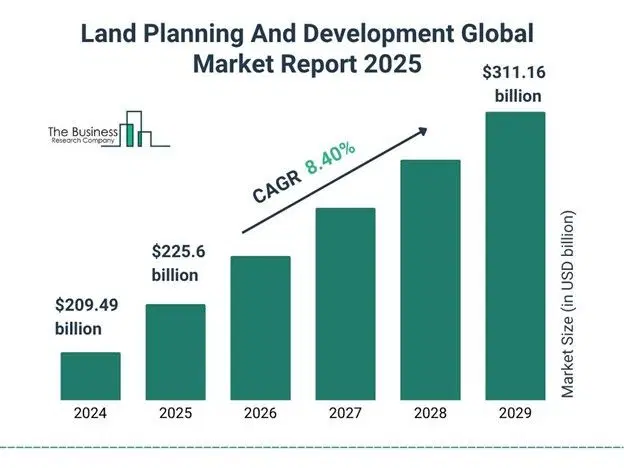
What is Plot Development?
Plot development is essentially the process by which a large piece of raw land is converted into smaller and planned land parcels, in a ready-to-build plot layout design. As a rule, these plots come with proper land infrastructure and facilities like security, drainage, water supply, electricity, and roads.
Moreover, several reputed developers, like The House of Abhinandan Lodha, add amenities such as clubhouses or parks to further enhance the value of such plots. Once a customer purchases the plot, they can decide their plot layout plan as per their design preference, and economic limits.
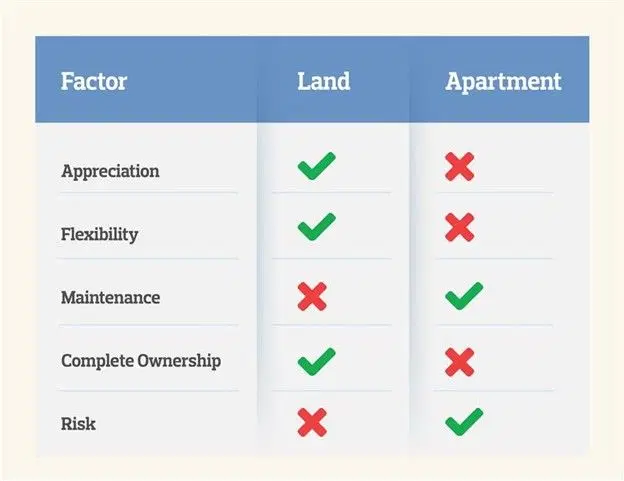
Land Development vs Apartments
A recent survey found that 58% of first-time buyers preferred the money investment option of plot development over the purchase of ready-made properties. The main reason is better appreciation potential. But that’s just the tip of the iceberg.
Let’s explore other reasons as to why nowadays urban and semi-urban investors are becoming more interested in the idea of plot development, and where to invest money in 2026:
Plotted Development vs Gated Community: What's Different
Buyers use these terms interchangeably. They describe different ownership structures. A plotted development sells individual land parcels in a planned layout. You own your plot outright, including the land under it. The developer hands roads, drainage, and common infrastructure to a local authority or a residents' association once the project completes. What you build on your plot, and when, is your call within zoning limits.
A gated community, as most Indian buyers use the term, means built apartments or constructed villas inside a secured, walled perimeter with shared amenities. You own your unit and an undivided share of the common land. You don't own a specific plot. The developer or a management body controls construction timelines, exterior design, and ongoing maintenance through recurring charges.
Neither wins by default. Someone who wants amenities and maintenance handled from day one, and is willing to pay for that, fits a gated community. Someone who wants control over timing and design, and is comfortable managing (or co-managing) upkeep, fits a plotted development.
The overlap that confuses most buyers: a well-planned plotted development can include gated security, shared amenities, and an owners' association, the same features people associate with a "gated community." The difference sits in ownership: who holds the land, and who controls what gets built on it.
6 Practical Tips for Smart Money Investment in Plot Development
If the answer to your question, “where to invest money”, is plot development, then there are some checks and research you should conduct before signing the deal.
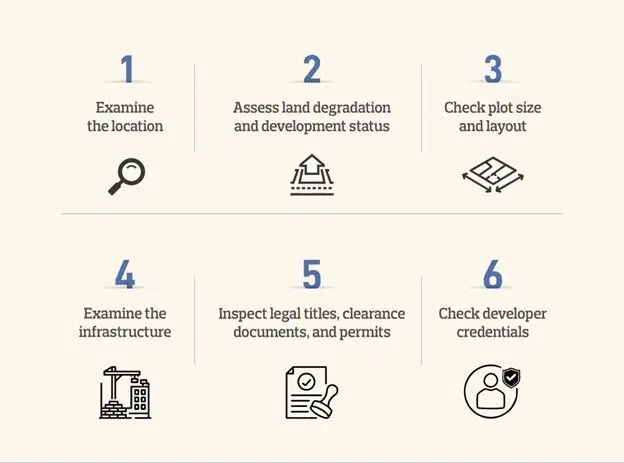
- Examine the Location: Make sure that the area of the plot is developed and has proximity to schools, hospitals, transportation, etc.
- Assess land degradation and development status: Verify that the plot development project is on a well-developed land that has minimal degradation. Such a check helps ensure long-lasting infrastructure, better drainage, and a stronger foundation.
- Check plot size & layout: Know the exact demarcation of the decided plot to ensure you get the plot layout design and size as per the agreement.
- Examine the infrastructure: Review the infrastructure to ensure that the offered security system, electricity, water supply, and roads are operational or at least planned.
- Inspect legal titles, clearance documents, and permits: Check the ownership, land title, and clearance deeds of the plot. See whether the project is RERA-approved or not. Furthermore, to set your construction plans in motion, be aware of the plot’s Floor Area Ratio (FAR) and Floor Space Index (FSI).
- Check developer credentials: Research your developer. Study the quality of their previous land development projects.
Conclusion
At the end of the day, plot development is all about shaping a lifestyle and legacy. Compared to apartments that come with limits, land gives you the freedom to build what truly feels like your own.
As India continues to expand beyond its metros, plots in upcoming locations are silently becoming goldmines. In simple words, plot development is emerging as the future of profitable money investment. With the right timing and a clear vision, even a single piece of land can grow into lasting value.
FAQs
What is the difference between a plotted development and a gated community in India?
A plotted development sells you the land itself, in a planned layout, with construction and maintenance under your control, within zoning limits. A gated community sells you a built unit and a shared stake in common land, inside a secured perimeter, with amenities a developer or management body maintains. Ownership is the core difference: land versus a built unit, not security or amenities.