Ayodhya as India’s Fastest Growing Pilgrimage Economy
09 Jul 2026
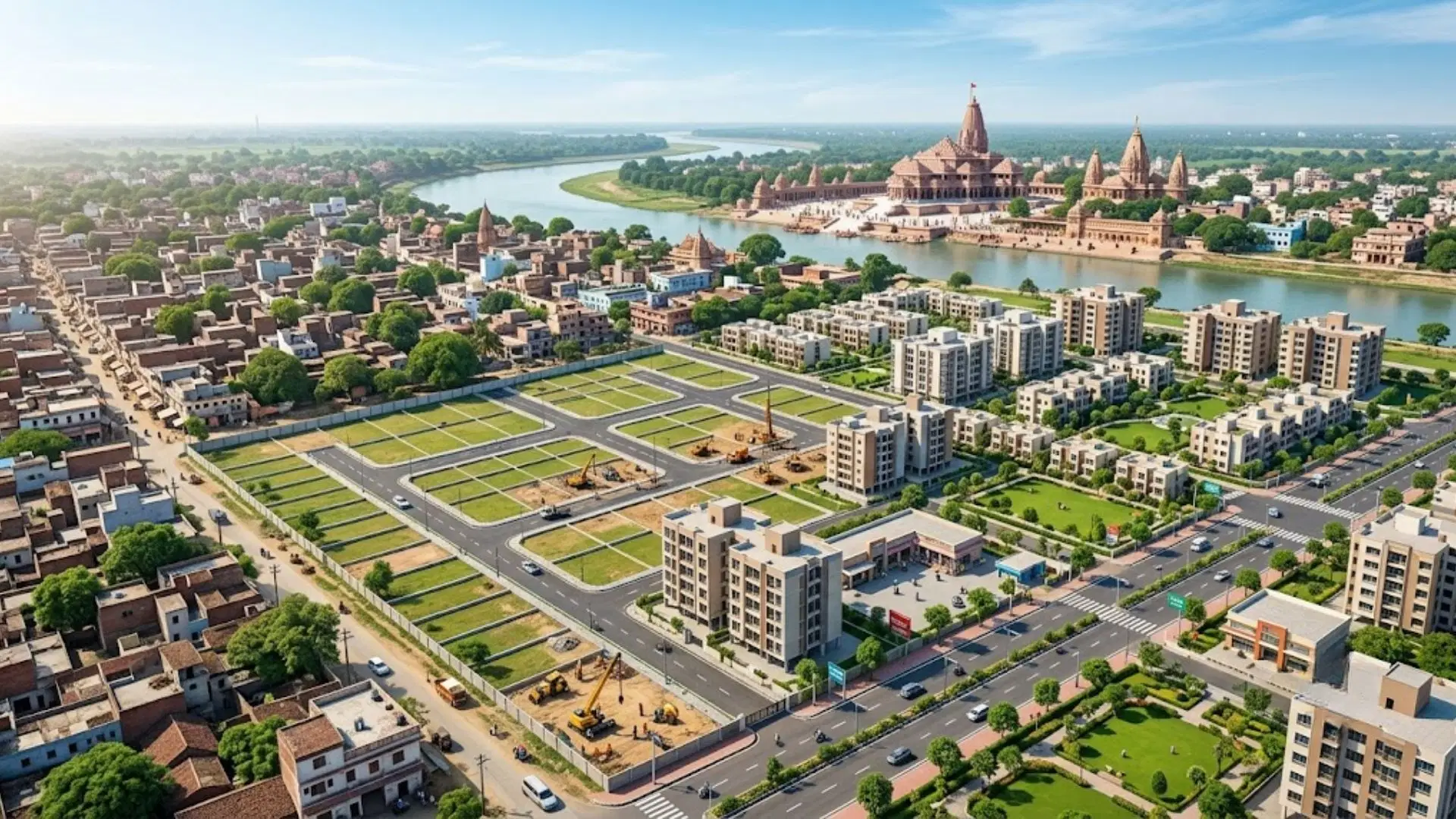
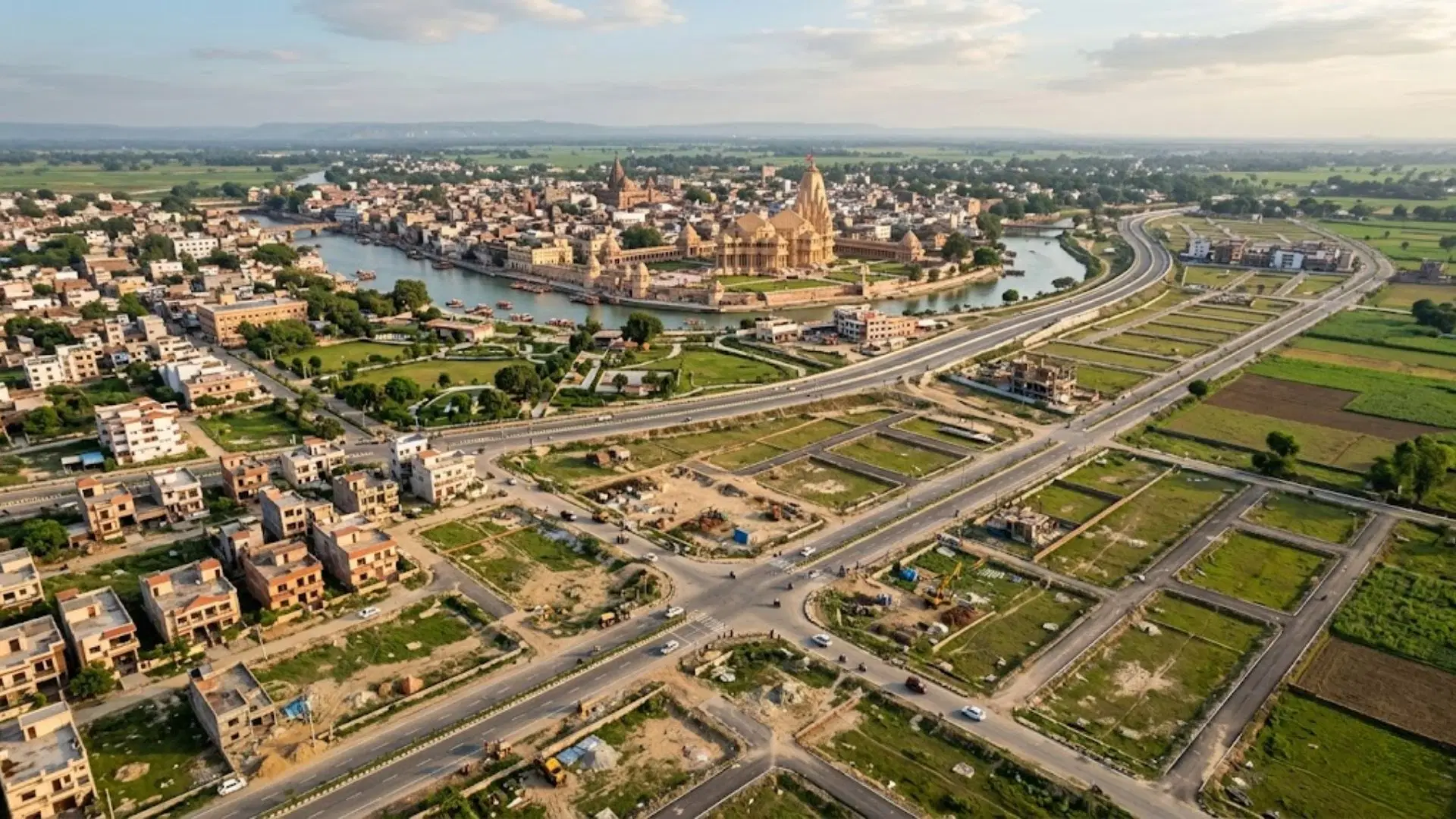
Ayodhya is no longer just a place of pilgrimage and faith. It is rapidly emerging as one of India’s key pilgrimage-led economies. Growth in faith, tourism, development of public infrastructure, hospitality, opportunities for local businesses to grow, as well as real estate, are some of the changes that the city is witnessing.
Ayodhya is a spiritual and culturally sensitive city on the banks of the River Saryu. It is one of the major pilgrim destinations for lakhs of Ram Bhakts from all over the globe. With the growing number of tourists, the government is strengthening public infrastructure and the private sector is coming up with related services to cater to the needs of tourists.
Why Ayodhya’s Pilgrimage Economy Is Expanding
When a large number of devotees keep visiting in a consistent flow, the economy of pilgrimage gets established. This happens in the form of hotels, means of travel, places to eat, shops, local services selling spiritual goods, tour packages with guides, etc., and above all, real estate.
The change is visible in three ways:
- Now, there is consistent growth in the number of tourists and visitors travelling to the city of Ayodhya throughout the year.
- Lots of new hotels and other local businesses are opening up in Ayodhya.
- With the increased length of stay of pilgrims, the city’s infrastructure is being designed to tackle the large number of visitors throughout the year.
The city of Ayodhya received more than 16 crore visitors in the year 2024. More importantly, the figure for the first six months of 2025 stood at over 20 crore devotees visiting Ayodhya [1]. As such, it is clear that the city is now steadily progressing to become a year-round destination for pilgrims, rather than just a destination for specific festivals.
If you are interested to know about Ayodhya temple tourism and how tourism is affecting property demand in the city, then you can read our detailed guide on Ayodhya Temple Tourism and Property Demand.
Visitor Movement Is Creating a Wider Local Economy
A city with large numbers of pilgrims and tourists not only impacts the temples, but also the rest of the visitor economy.
The sectors in Ayodhya include:
- Hotels, guest houses and homestays
- Food joints and restaurants
- Local transportation and e-rickshaws
- Religious products and souvenir shops
- Tourism services and itinerary planning
- Employment and small businesses
- Land and housing requirements in planned areas
Hotel capacity in Ayodhya has increased from around 3,500 rooms in 2020, 4,000 including unbranded/simplified offerings, to over 5,000 rooms in 2025, while future demand is forecast to reach 8,500 to 12,500 branded rooms by 2031 [2]. Restaurants in the city have increased sharply from around 200 in 2021 to over 2,000 in 2025 [2].
The increase in the hospitality space in Ayodhya is indicative of the city’s evolution from a place where the occasional tourist would arrive to a more regular tourist economy, where people may return to explore and rediscover the city in various ways. The following blog gives an in-depth analysis of what hospitality reveals about Ayodhya real estate.
Connectivity Is Supporting the Growth Story
To fuel the growth of a pilgrimage economy, access to a destination plays a massive role. Ayodhya has seen changes in airport, rail and road connectivity to make this city more accessible from different parts of India.
With the international airport, Maharishi Valmiki International Airport, coming into the connectivity map of the location, passenger movement at the airport has grown sharply from 2,13,015 in FY 2023-24 to 11,15,016 in FY 2024-25 [3]. So, improved air connectivity is adding a new dimension to the growth of Ayodhya.
Ayodhya is connected by road to important cities and towns. The major distances from Ayodhya to other cities and towns are as follows: Lucknow - 134 km; Prayagraj - 166 km; Varanasi - 209 km [4]. Thus, the place is not in isolation and is part of a larger religious, cultural and tourism circuit in the state of Uttar Pradesh.
Urban Planning Is Widening the Ayodhya Map
Planned development of Ayodhya as a whole is not confined to the area of the famous temple. The larger map of 766 sq. km, covering Ayodhya, Basti and Gonda with 353 villages, would also influence demand in Ayodhya as it would show how access, development and connectivity to Ayodhya may evolve over time across various corridors [5].
This is significant because pilgrimage-driven development requires not only temples and roads. It requires:
- Visitor management facilities
- Residential zones
- Hotel areas
- Utility services
- Transport facilities
- Commerce
- Civic amenities and open spaces
Focusing only on the old city of Ayodhya may not give buyers a complete picture. The larger development map would also need to be considered.
Why Real Estate Interest Follows Pilgrimage Growth
Buyer interest in real estate follows economic activity, which becomes more stable and certain over a period of time. Thus, while buyer interest in Ayodhya may have been sporadic in the past, the increasingly large number of visitors to the city, growth of hospitality, improved connectivity, a large number of new retail outlets and civic infrastructure are making the city an increasingly relevant destination for long-term buyers.
While spirituality could be the primary reason for buying in a place called Ayodhya, for many it will be a long-term family asset or a future-use property to use as and when required. It can also be a way to be connected to India’s growing religious tourism economy.
Some things to keep in mind while selecting plots in Ayodhya are location, access to roads, necessary approvals, project status, land size, complete documentation, legal sanctity and future uses.
The Sarayu Reserve by The House of Abhinandan Lodha® is a plotted development located in Ayodhya, Uttar Pradesh. The amenities in this development include Legacy Pavilion, Dharma Playzone, Devotion Courtyard, Parikrama Trails and other eco-sensitive design elements.
Additionally, one must also verify the exact location, approvals, possession, maintenance, etc of the project and cross-check all project documents before making a decision.
What Buyers Should Understand Before Entering Ayodhya’s Market
Growth in Ayodhya is strong; therefore, the advice is to remain grounded and not get caught up in hype while purchasing property. A pilgrimage economy may create demand for property; however, not all locations or projects will benefit in the same way.
Prior to shortlisting any property, one should assess:
- Proximity to major roads
- Linkages to the temple and civic locations
- Ownership status
- RERA registration, if applicable
- Approvals and site layout plans
- Infrastructure availability
- Development in the vicinity
- Maintenance in the long run
- Practical use by the family
The buyer has to be very cautious while purchasing property in this location. The buyer should not consider buying a plot only based on the price of the plot. He has to verify whether the lower-priced plot has proper road access, whether the documents of that plot are in order or not, and whether he can use that plot in the future or not. Similarly, he has to verify all these points for higher-priced plots as well, especially if he has no clear idea how he can use those plots.
Conclusion
An investor/buyer who is planning to purchase a plot in Ayodhya should read the above points in detail to make a wise decision. The spiritual importance of Ayodhya will evoke a lot of emotions, and it should not be carried over while making the decision of buying a plot. One should seriously study the location, accessibility to the plot, required approvals, project developer’s credentials, clear legal ownership and how one can use the plot in the long run.
FAQs
Why is Ayodhya being called a fast-growing pilgrimage economy?
The increase in visitor movement is not limited to the temples, but is beginning to affect other areas of the town and create demand in the tourism and hotel sector, as well as other associated economic sectors such as hotels, homestays, restaurants and cafes, local transportation, shopping and retail, etc. Over time, this could translate into property demand, particularly in well-connected and planned locations.
How does tourism growth affect Ayodhya’s property market?
With ever-increasing numbers of tourists to Ayodhya, the city would require hotels, homestays to stay in, local retail, transportation and local services. The demand for property in well-connected projects shall continue to increase over a period of time. It is important for the buyer to verify approvals, clarify the legal position, verify physical access to the property and verify project details before shortlisting.
What should buyers check before buying land in Ayodhya?
Verify the title of the property, its ownership history, its land-use (residential or commercial, etc.), approved plans, RERA registration (if applicable), accessibility of the property (approach road, etc.) and essential services such as water, electricity, gas, sewage, etc. Also verify the growth and development happening in the surrounding areas and compare with other alternative locations to check if they can fulfil your long-term objectives.
Sources
https://hindupost.in/business-economy/ayodhya-reimagined-evidence-of-economic-growth-and-social-uplift-from-iim-lucknow/ https://en.wikipedia.org/wiki/Ayodhya_Airport