How to Invest in Real Estate in Vrindavan By Understanding Visitor Flows
09 Mar 2026
In Vrindavan, the day often begins before sunrise. Pilgrims move steadily towards temples, ghats, and prayer halls, forming a rhythm that embodies a timeless consistency. This daily movement reveals an important truth. What might be perceived as seasonal footfall is, in practice, a sustained flow of visitors that shapes new neighbourhoods and how real estate in Vrindavan absorbs demand.
This continuity explains why Vrindavan property demand is not limited to peak festivals alone. The Vrindavan real estate investment behaviour is driven by repeat visitation rather than short-term speculation.
Understanding this distinction is essential for anyone exploring how to invest in real estate in a city where spiritual significance, infrastructure, and residential demand are interlinked.
Seasonal Footfall in Vrindavan is Built on a Strong Baseline
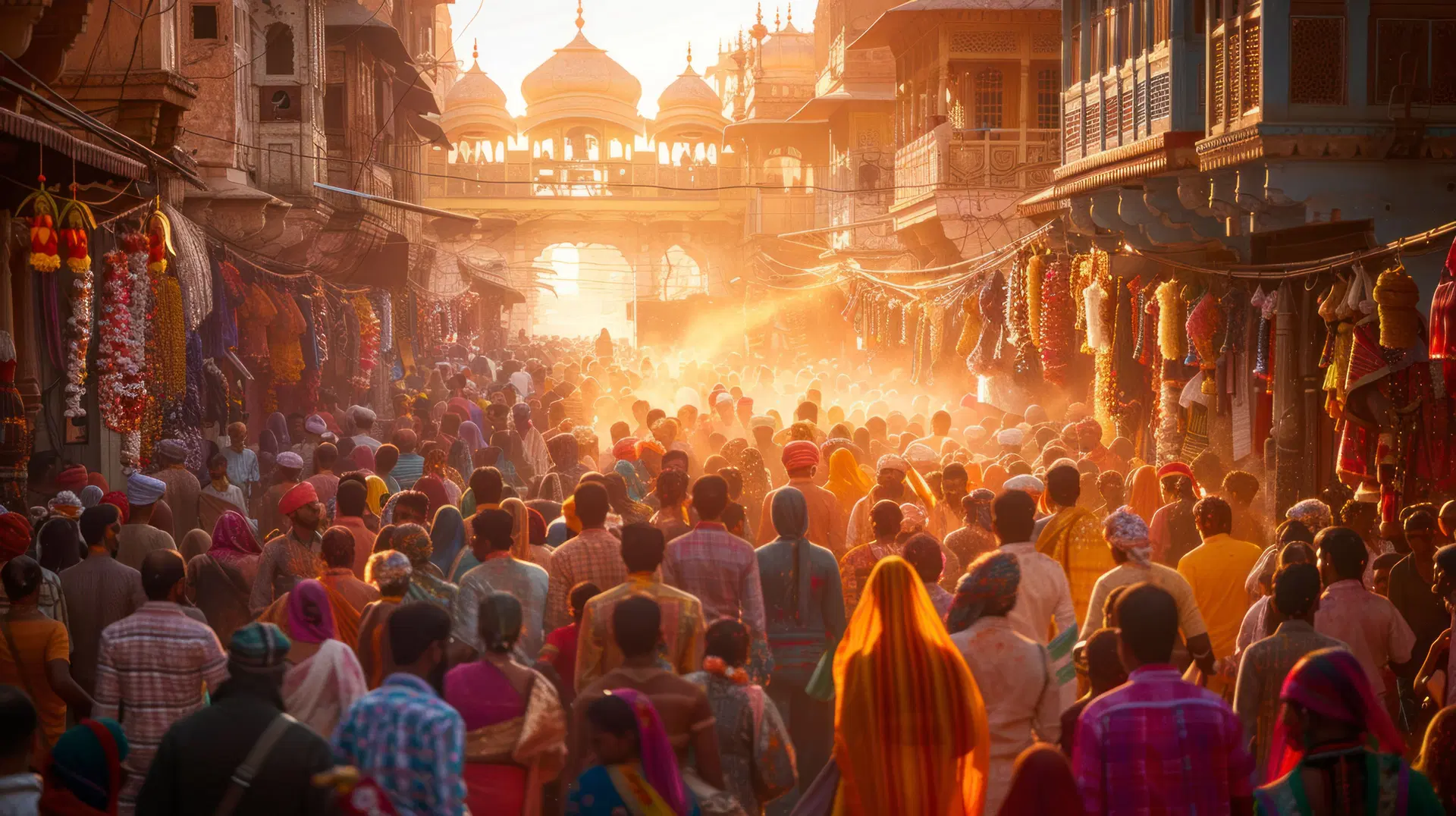
Vrindavan does experience identifiable peaks during festivals such as Janmashtami, Holi, and Kartik Maas. However, these peaks are layered over a consistently high-volume present throughout the year. This sustained flow defines seasonal footfall in Vrindavan as an additive force rather than a fluctuating risk.
Unlike purely tourist-driven destinations, seasonal footfall in Vrindavan operates on a strong baseline of daily pilgrims, long-stay visitors, and returning devotees. This consistency directly contributes to Vrindavan property demand, ensuring activity even outside festive windows.
Key Visitor Data
- Mathura-Vrindavan recorded around 7.9 crore visitors in 2023, placing it among India’s highest pilgrimage destinations
- Festival days can witness footfall of nearly five lakh visitors, creating predictable rental demand surges
- This pattern ensures that Vrindavan real estate trends remain resilient.
How Visitor Patterns Translate into End-User Demand
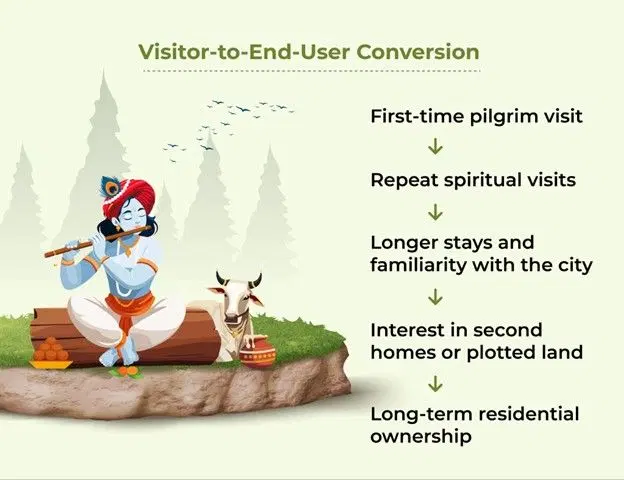
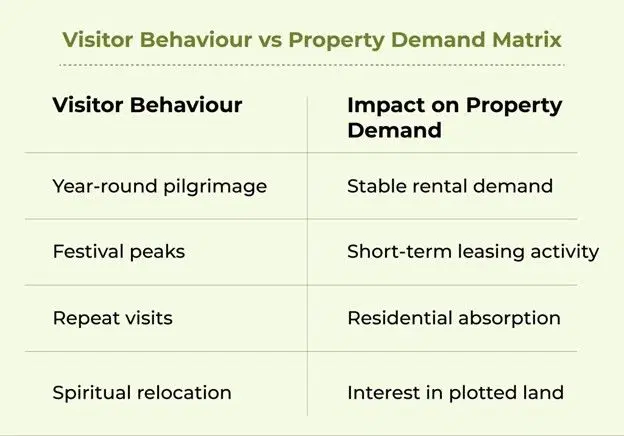
Seasonal footfall influences real estate beyond short-term accommodation. Over time, repeated visits often evolve into residential intent, shaping Vrindavan real estate trends that favour stability over volatility.
Demand Conversion Patterns
- Pilgrims returning multiple times explore second-home ownership
- Long-stay visitors evaluate plots for sale in Vrindavan for future use
- Continuous short visits sustain rental occupancy year-round
Infrastructure in Vrindavan Strengthening Accessibility
Ongoing infrastructure in Vrindavan is improving both peak-season access and everyday livability, reinforcing long-term demand across residential micro-markets. These upgrades play a crucial role in converting visitor interest into ownership intent.
Key Infrastructure Drivers
- Connectivity through the Yamuna Expressway and NH-19, improving access from Delhi-NCR
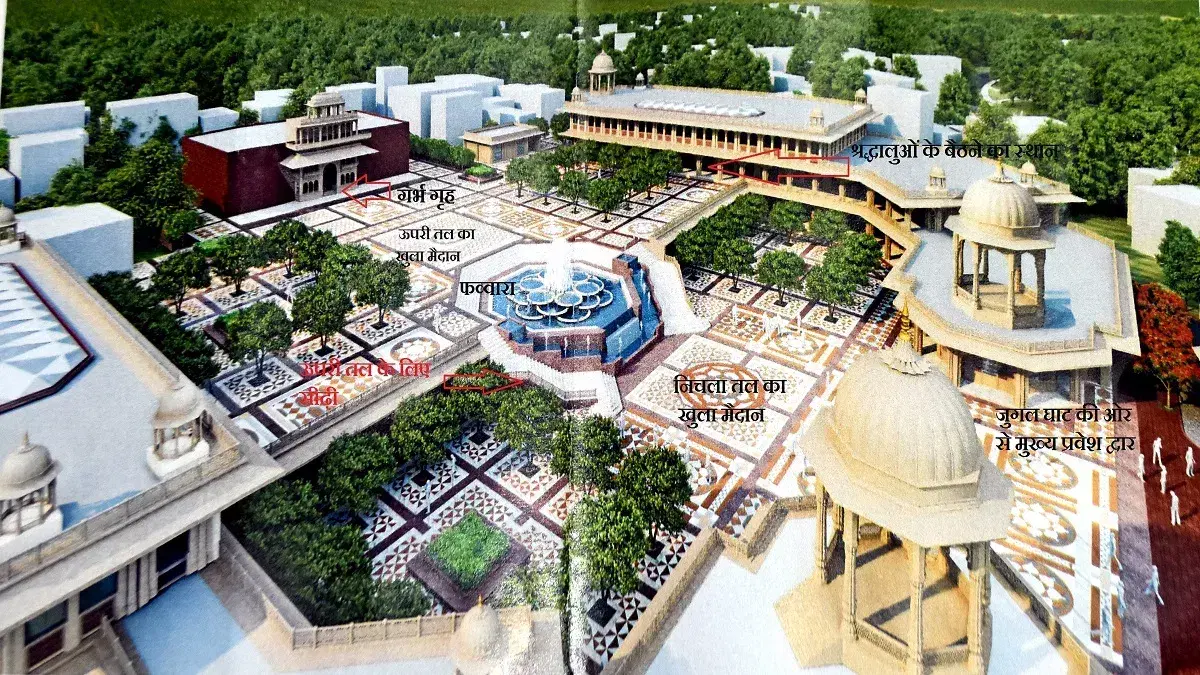
- Heritage corridor development is enhancing pedestrian flow and civic infrastructure
As infrastructure in Vrindavan strengthens, buyer interest is expanding beyond the traditional areas into planned residential zones. This shift is increasing demand for plots for sale in Vrindavan that support year-round living. Such infrastructure-led expansion is a defining factor shaping contemporary Vrindavan real estate trends.
Understanding Micro-Seasonal Demand Patterns
While Vrindavan benefits as a whole, investor clarity improves by recognising micro-seasonal differences.
What Consistent Demand Areas Share
- Reliable road access
- Proximity to civic infrastructure
- Suitability for year-round living
These characteristics attract both end-users and long-term buyers evaluating Vrindavan real estate investment from a stability and livability perspective, rather than short-term yield alone.
Conclusion
Seasonal footfall in Vrindavan should be viewed as a demand multiplier layered over a stable year-round visitor base. This sustained movement, combined with advancing infrastructure in Vrindavan, supports long-term residential absorption and consistent value creation.
As a result, Vrindavan real estate investment continues to align strongly with end-user demand rather than speculative cycles. Projects by developers such as The House of Abhinandan Lodha Vrindavan reflect these fundamentals, offering planned land that responds to present needs while remaining future-ready.
Explore thoughtfully planned land opportunities aligned with evolving Vrindavan real estate trends, and take the next step in understanding how consistent footfall and infrastructure growth can support long-term ownership goals.
Related Blogs
Where is Vrindavan Real Estate Headed Next? Why Access is the New Asset
09 Mar 2026
How Year-Round Tourism Fuels the Vrindavan Real Estate Market
04 Feb 2026

The New Location Logic Behind Plots in Vrindavan
30 Jan 2026
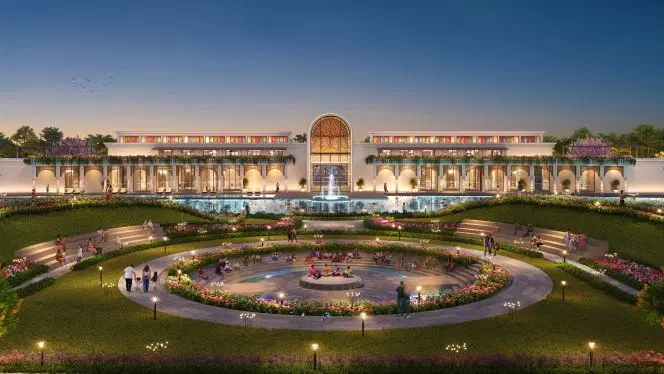
Codename S.E.Z. Vrindavan
Vrindavan, Uttar Pradesh
World’s Only Sensorial Branded Land Development in Vrindavan.
1248 sq. ft
Starting at ₹ 1.35 Crore(all-in)
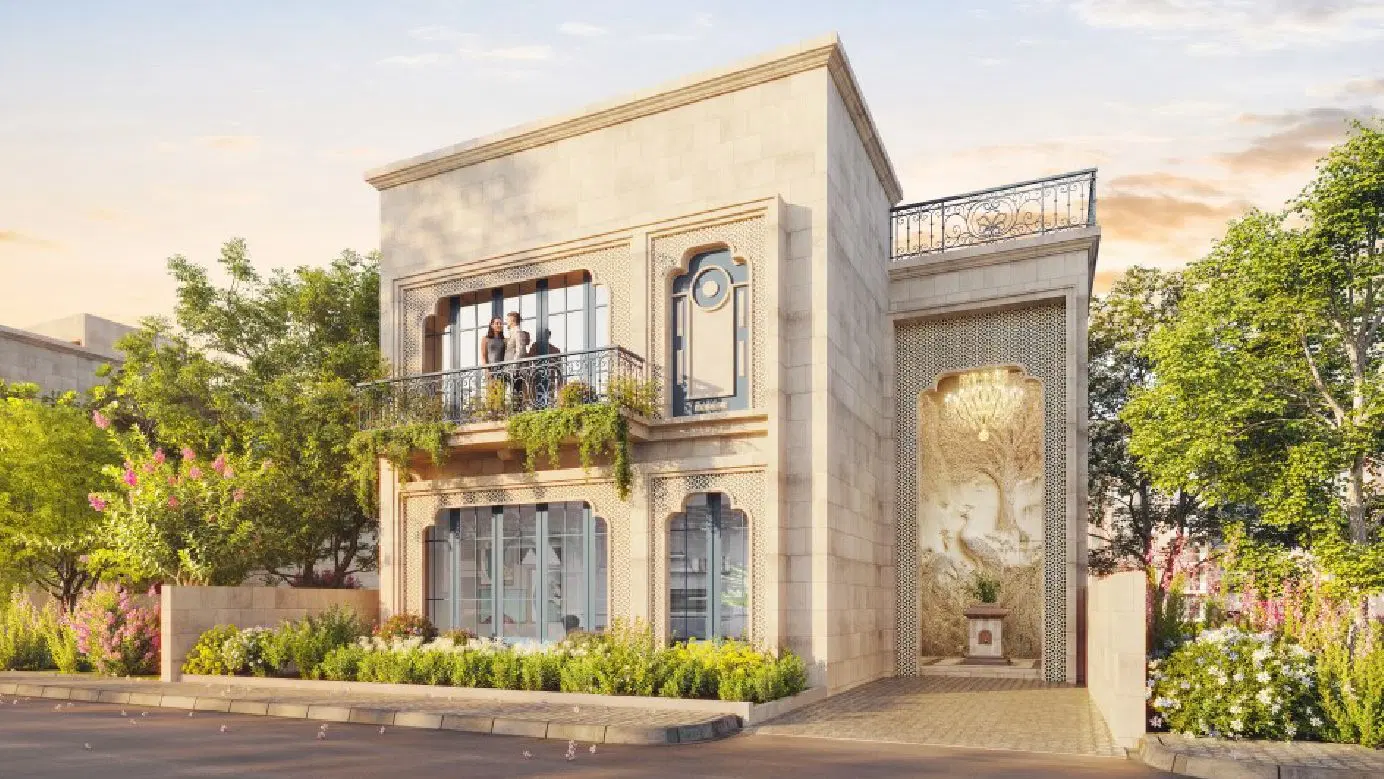
The Raas Villas
Vrindavan, Uttar Pradesh
An invite-only collection of 12 exclusive heritage villas, crafted to be heirlooms for generations.
2002 sq. ft
Starting at ₹ 4.75 Crore(all-in)