What Are the Top Trends in Luxury Land Development in India in 2026?
01 Oct 2026
India's ultra-high-net-worth population reached 19,877 in 2026, up 63% from just over 12,000 in 2021, making India the sixth-largest UHNWI population globally, according to Knight Frank's Wealth Report 2026. Knight Frank forecasts that number rising a further 27%, to 25,217, by 2031. That's the demand base behind India's luxury land development boom, and it explains why 2026's biggest trends in the category are about who's buying and what they expect, more than about design fashion.
The demand side: UHNWI and NRI capital looking for tangible assets
Knight Frank's data also shows India's billionaire count at 207, third-highest globally after the US and China, with a forecast rise of 51% to 313 by 2031, and India's share of global billionaires expanding from 6.7% to 8% over that period. Wealth concentrating at this pace tends to move toward tangible, low-density assets during periods of market volatility, a pattern Knight Frank's own wealth research has tracked in prior editions. Land, specifically large-format, branded, gated plots, fits that appetite in a way a standard apartment doesn't.
Premiumization and bespoke luxury
The generic "luxury villa" pitch is losing ground to genuinely bespoke propositions: architect-led custom homes, larger plot sizes that allow real customization, and developments built around a specific lifestyle theme rather than a repeatable floor plan. Buyers at this end are paying for scarcity and control, not just square footage.
Plotted developments and villa communities as the dominant format
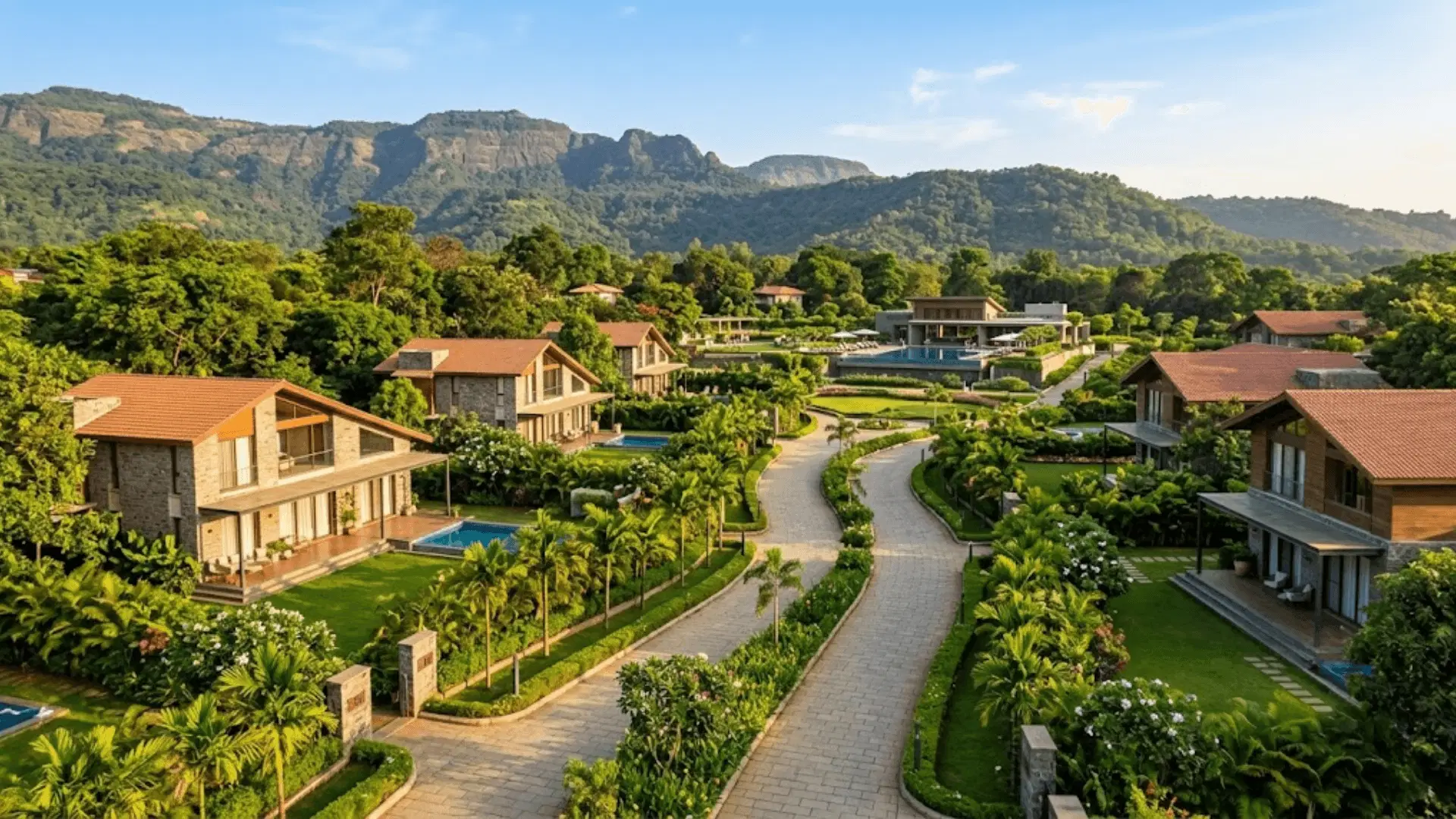
Luxury land in India in 2026 increasingly means plotted, gated villa communities rather than standalone luxury apartments. The reasoning tracks the broader plotted-vs-apartment shift: direct land ownership, no shared structure, and the ability to build to a buyer's own specification, at a price point where that flexibility genuinely matters to the buyer.
Branded and hospitality-linked residences
Pairing a land development with an established hospitality or lifestyle brand has become a recognizable category in India's luxury segment, borrowing the operational polish, amenity standards, and brand trust of hospitality companies for a residential product. It's a response to a specific UHNWI expectation: five-star-grade service and design standards applied to a home they own outright, not just a hotel they visit.
Sustainability and biophilic design
Water-sensitive landscaping, native planting, solar integration, and design that treats green space as structural rather than decorative are now baseline expectations in this segment, not differentiators. Buyers at the top of the market increasingly ask about a development's water and energy footprint before they ask about the clubhouse.
Infrastructure-led decentralization
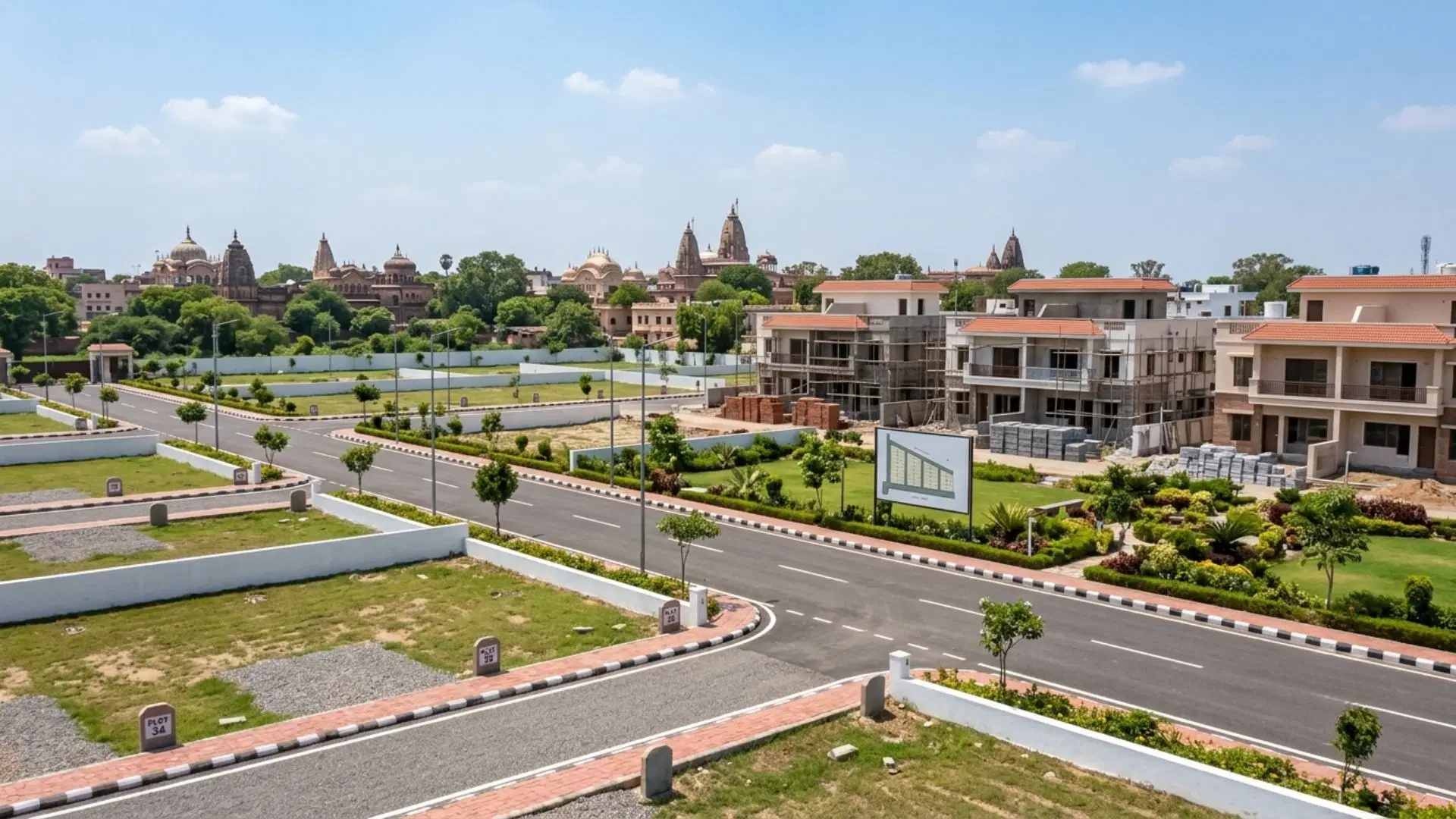
Luxury land development is following the same infrastructure logic as the mass market, just at a different price point: new expressways, airports, and regional connectivity are opening up locations, religious and heritage towns, hill and coastal micro-markets, industrial-adjacent corridors, that weren't viable luxury addresses a decade ago. This is the same dynamic driving tier-2 residential growth generally, applied to buyers with second-home and legacy-asset motivations rather than primary-residence ones.
Experience-led gated communities
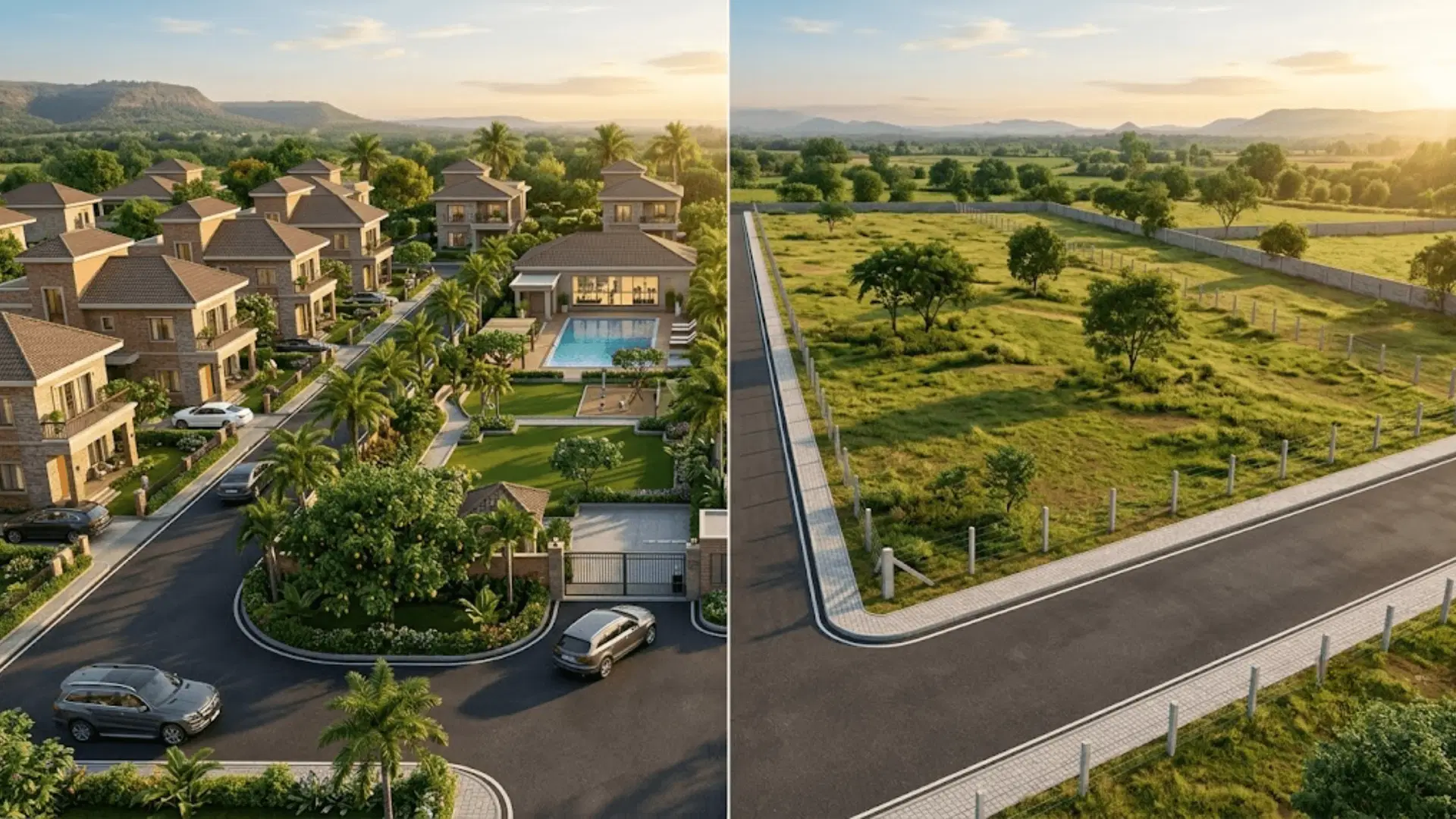
The product on offer increasingly is the community itself: curated amenities, private clubs, wellness infrastructure, and a controlled, gated environment, sold as much as the land or the house within it. This is a direct response to what UHNWI buyers say they're actually paying for: privacy, security, and a consistent lifestyle standard, not just square footage.
Technology integration and smart homes
Smart-home infrastructure, integrated security, and app-based facility management have moved from an add-on to an expected baseline in this segment, mirroring the same trend in global luxury residential markets.
Institutional capital entering the space
CBRE India has projected the potential market value of India's small and medium REIT (SM REIT) framework could surpass USD 60 billion, a structural signal that real estate, including land-heavy asset classes, is attracting more formal institutional capital vehicles alongside direct UHNWI purchases. That's a different buyer profile than the individual luxury-plot buyer, but it points in the same direction: land and land-linked assets are getting a more serious, better-capitalized market around them.
Who is actually buying
The buyer profile in this segment splits roughly into three groups: domestic UHNWIs and business families looking for a legacy or second-home asset, NRIs seeking a tangible Indian asset with strong emotional and practical ties to home, and, at the institutional end, family offices and structured investment vehicles allocating a portion of a broader portfolio to land. Each group weighs the premiumization and branding trends differently: an NRI buyer often values the hospitality-brand association and turnkey management more than a domestic buyer who's more likely to build and use the property directly.
Design language: what's changing and what isn't
The specific design vocabulary in this segment, natural materials, larger floor-to-ceiling heights, courtyard-led layouts, is less important than the underlying shift it reflects: developers competing on individuality and craft rather than on repeating a single luxury template across every project. That's a genuine change from a decade ago, when "luxury" in Indian real estate often meant the same marble-and-chandelier vocabulary regardless of location or buyer.
Geographic hotspots
Beyond the established metro-adjacent luxury corridors, heritage and pilgrimage towns with confirmed new infrastructure, airports, ring roads, expanded rail links, are emerging as a distinct luxury land category, alongside established hill and coastal second-home markets. The common thread across these locations isn't proximity to a metro; it's a documented, funded infrastructure upgrade that changes what the location can support.
Market dynamics and outlook
The luxury land segment is smaller in absolute transaction volume than the mass or mid-market, but it's growing on the back of a wealth base that Knight Frank projects will keep expanding through 2031. That makes it a segment defined less by cyclical demand and more by a structural, multi-year growth in the buyer pool itself.
NRI demand within the luxury segment specifically
NRIs remain free to buy residential plots in India, including luxury developments, without RBI approval, through NRE, NRO, or FCNR accounts, under FEMA and the 2019 Non-Debt Instruments Rules. For this buyer group, the emotional pull of owning land in India often combines with the same tangible-asset logic driving domestic UHNWI demand, land that can't be devalued the way currency or a distant financial instrument can, held in a place with personal or ancestral significance. That combination is a meaningful part of why NRI capital continues to flow into branded, luxury-positioned plotted developments specifically, rather than into standard residential stock alone.
Challenges and honest limitations
Luxury land carries all the same title, RERA, and conversion risks as any other plotted development, at a higher absolute price point, which raises the cost of getting due diligence wrong. It's also a segment where marketing language tends to run ahead of substantiated claims, branding partnerships, amenity counts, appreciation projections, so the sourcing discipline that applies to any land purchase applies here with more money on the table.
HOABL's position in this segment
HOABL's Sarayu development in Ayodhya is built around a branded, hospitality-linked model, developed in collaboration with The Leela, with large-format plots and an extensive amenity program aimed squarely at this premiumization trend. The relevant point for a prospective buyer isn't the brand pairing itself, but whether the project's RERA registration, layout approval, and land title are independently verifiable, which is the same checklist that applies to any plotted purchase, luxury or otherwise.
FAQs
What's driving India's luxury land development boom in 2026?
A rapidly growing UHNWI and billionaire population, per Knight Frank's Wealth Report 2026, combined with infrastructure expansion into new geographies and a broader shift toward plotted, branded developments over standard apartments.
Are branded residences a good investment in the luxury land segment?
A hospitality or lifestyle brand pairing can support design and service standards, but it doesn't substitute for RERA verification, clear title, and independent due diligence, which matter as much at this price point as any other.
Is India's UHNWI population actually growing, or is this marketing language?
It's a sourced figure: Knight Frank's Wealth Report 2026 puts India's UHNWI count at 19,877 in 2026, up 63% from 2021, with a forecast of 25,217 by 2031.
What should a luxury land buyer check before purchasing?
The same fundamentals as any plotted purchase: RERA registration, verified land title, approved layout, and confirmation that any infrastructure-based appreciation thesis is funded and under construction, not just announced.
Who typically buys luxury plotted developments in India?
Broadly three groups: domestic ultra-high-net-worth individuals and business families, NRIs seeking a tangible asset with strong ties to India, and, increasingly, institutional or family-office capital allocating a portion of a portfolio to land. Their priorities differ, particularly around hospitality-brand association and turnkey management.
Is the luxury land segment less risky than the mass market because buyers have more capital?
No. Higher price points raise the cost of a due-diligence mistake, they don't reduce the underlying title, RERA, and conversion risks every plotted purchase carries. If anything, the sourcing discipline matters more here given how much capital is typically at stake.
This article is for general information only and isn't investment advice. Wealth and market forecasts are projections, not guarantees; consult a qualified financial or legal advisor before making an investment decision.