Ayodhya 2031: What Could the City’s Next Phase of Growth Look Like?
11 Aug 2026
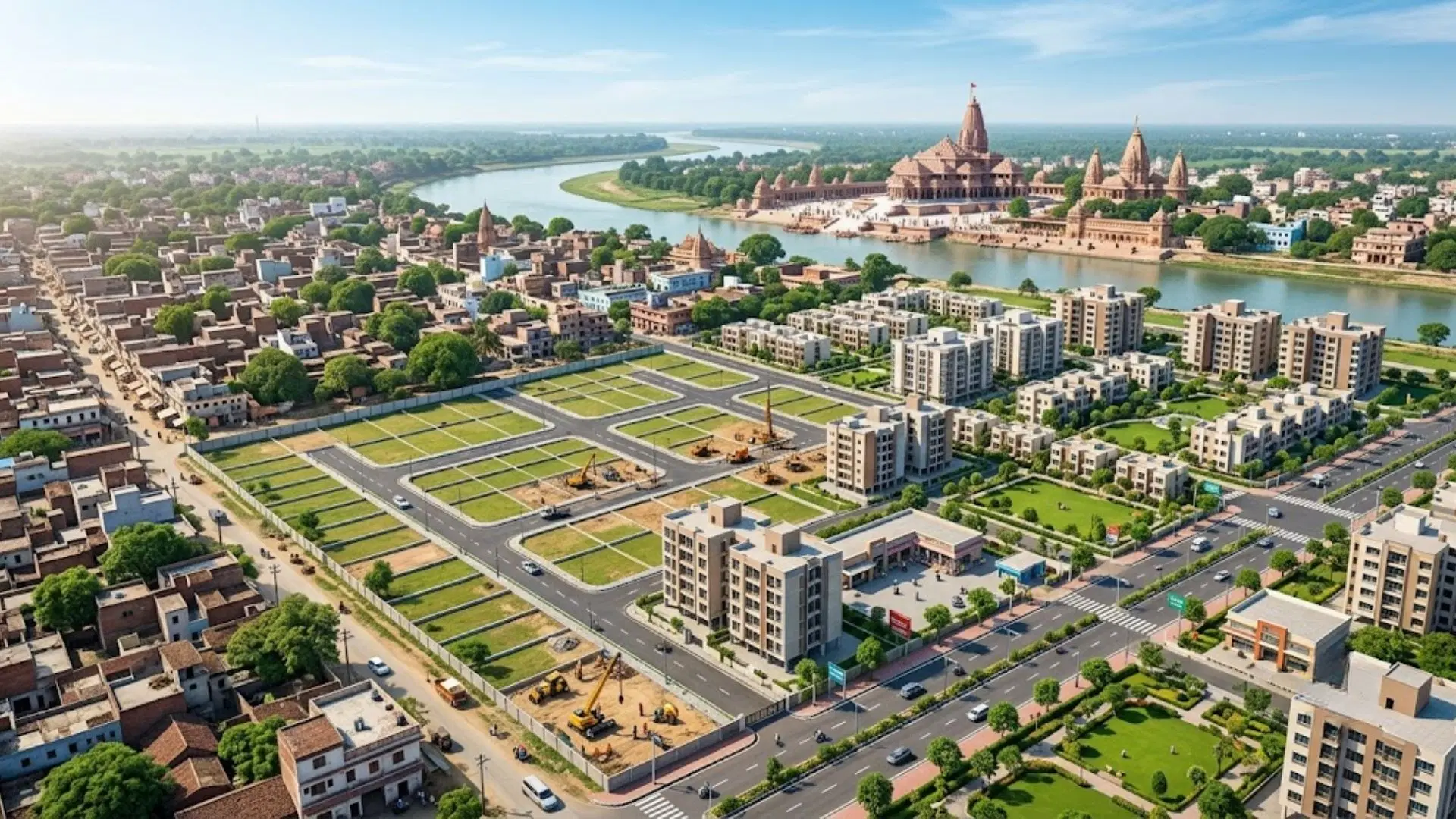
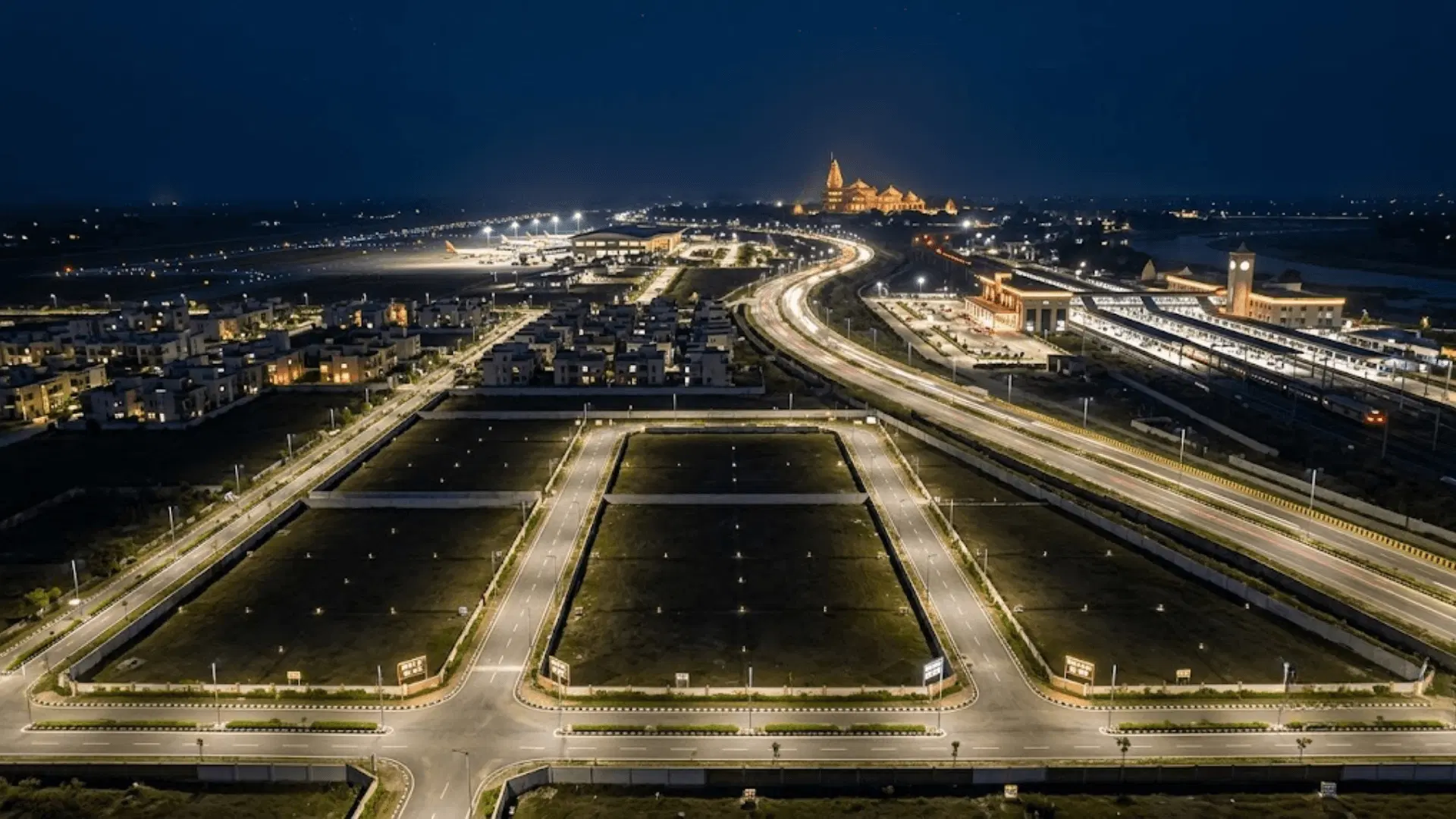
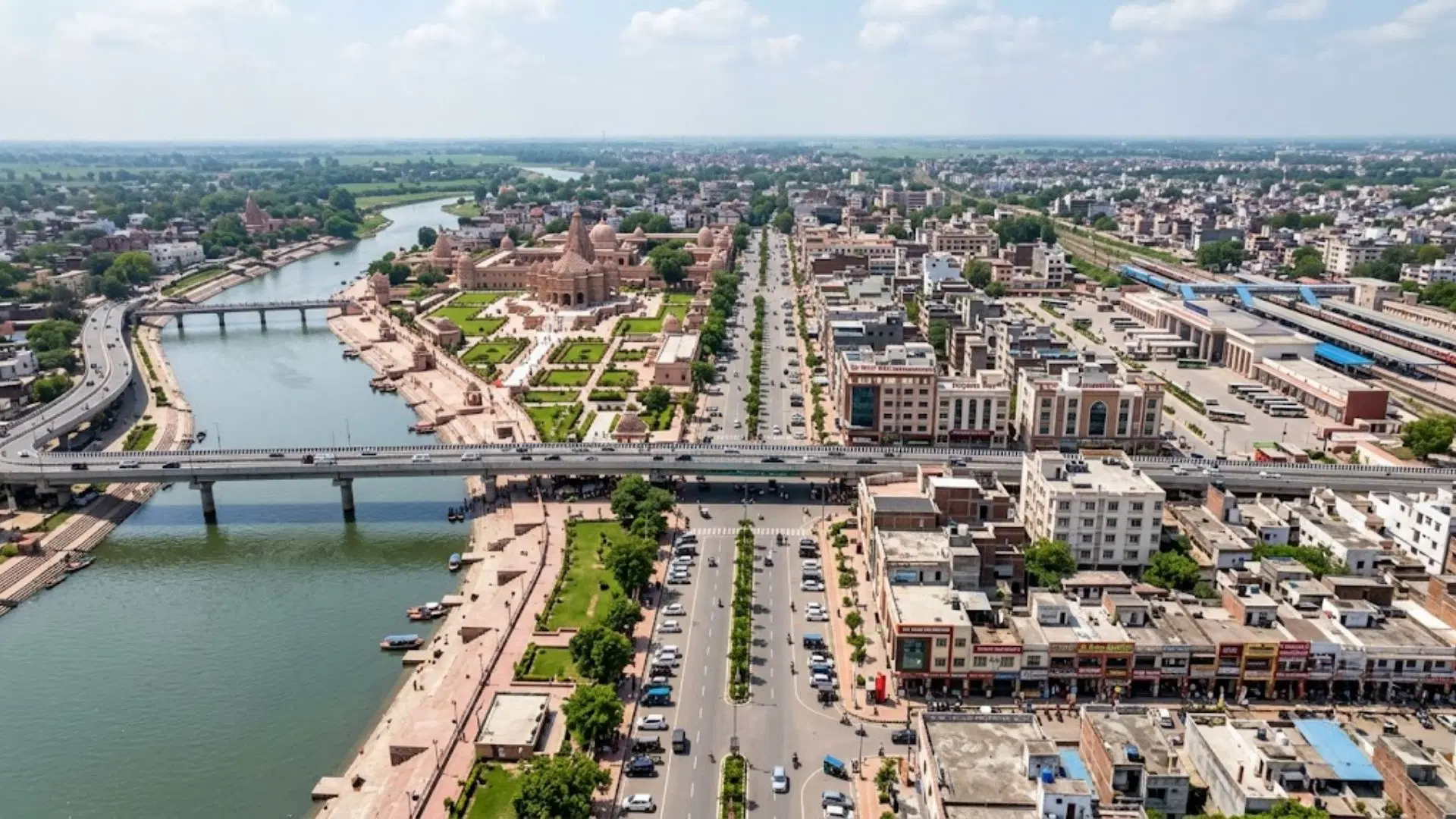
Change in Ayodhya over the last few years has been massive, to say the least. This includes the development of Ayodhya airport, better rail connectivity, road networks and public spaces, to name a few. Above all, there has been rapid growth in tourism in Ayodhya. The bigger question is what comes next.
The direction of the city’s growth is outlined in the Ayodhya Master Plan 2031 and Ayodhya Vision 2047. Even though temples and pilgrimage are focus areas, transport, land use, housing, environmental planning, public infrastructure and tourism are also brought under the framework.
The Government Roadmap Behind Ayodhya’s Next Phase
Ayodhya Vision 2047 is built around three broad goals and 16 strategies. These include pilgrim-friendly infrastructure, diversified tourism, heritage walks, Saryu riverfront development, transport connectivity, hospitality, liveable communities, green and solar development, modern infrastructure and long-term spatial planning.
The Ayodhya Master Plan 2031 outlines the physical planning framework for future development in Ayodhya and aims to achieve the following objectives:
- Sustainable religious tourism
- Future land-use planning
- Physical and social infrastructure
- Improved transportation
- Housing and recreational spaces
- Employment opportunities
- River-centric planning Emerging Ayodhya will require spaces for residential growth, commercial activities, hotel development and public amenities outside the historic centre.
Ayodhya Is Expanding Beyond Its Traditional City Limits
The planning area for Phase 2 of the Master Plan for development of the region has been significantly increased from the 133 sq. km planning area defined for the earlier Master Plan. The new planning area for Phase 2 is 766.39 sq. km and is spread over the districts of Ayodhya, Basti and Gonda. The Phase 2 Master Plan includes 353 villages within the planned framework.
Phase 2 of the Master Plan outlines land use for residential, commercial, industrial, transport and public utility purposes. In addition, around 1,200 natural ponds have been included in the Master Plan. It also includes zones for highway facilities along major roads and proposed bypasses.
Tourism May Spread Beyond the Main Temple Circuit
The core identity of Ayodhya will remain centred on Shri Ram Mandir, but the city may grow to include other pilgrim facilities along the Panch Kosi Parikrama and Chaudah Kosi Parikrama routes, heritage walks through the historic city and many other cultural and religious sites of tourist interest in the city.
The Saryu riverfront, Guptar Ghat, lakes and water bodies, and public spaces, as part of the larger development plan, may change the tourist trail to cover many more corners of the city as these start developing.
That could support demand for:
- Hotels and guest accommodation
- Restaurants and food services
- Local transport
- Retail and religious products
- Guided experiences
- Public facilities and visitor services By 2031, Ayodhya may evolve into a wider spiritual and cultural circuit.
Connectivity Could Decide Where Growth Moves Next
Ayodhya’s planning framework includes an airport, a railway station and bus stations, junction improvements and transport connectivity. Road improvements like overbridges, ring roads and parking spaces, mass transport, and movement within the city through electric vehicles, etc., are also proposed.
The old city of Ayodhya will continue to remain the spiritual gateway, but locations for the development of new residential, hotel and commercial projects may be along highways, airport approach roads, major roads and urban corridors yet to develop.
Similarly, a potential buyer of land in Ayodhya should not focus only on the number of kilometres from Ram Mandir in the old city, but instead should study the larger development map of Ayodhya. The better question to ask would be: How does this location connect with the city planned for 2031?
A More Liveable City Will Matter as Much as a Bigger City
With growing numbers of visitors, pressure increases on local roads, water supply, sewerage and sanitation, and public spaces. The Vision framework includes support for the development of utility-scale and rooftop solar generation and the installation of solar-powered streetlights and public facilities, etc. It also includes river-centric planning and the protection and rejuvenation of water bodies within the city.
The true test for Ayodhya by 2031 will be to manage tourist growth and town development while protecting the River Saryu, historical places, temples, kunds and open spaces in the town.
The Property Market May Become More Planned and Formal
The planning process has brought out emerging issues and challenges to the envisioned growth in Ayodhya. Rising land values and haphazard growth are some of them.
As the area comes under a land-use and infrastructure framework, buyers are increasingly going to want to know:
- Approved layouts
- Applicable land use
- Road and physical access
- RERA registration, where applicable
- Project approvals and documents
- Possession timelines
- Existing and proposed infrastructure Not all plots within Ayodhya and its surrounding areas will see equal growth. Growth may differ from one corridor to another.
There is formal private development in the area, such as The Sarayu by HoABL Realtech Pvt Ltd, which is listed among UP RERA-registered housing projects in Ayodhya.
What Should Buyers Watch Between Now and 2031?
For buyers, the next few years will be measured in action rather than just announcements. The most valuable developments are the following:
- Implementation of the Master Plan 2031
- Completion of significant infrastructure
- New road and transport corridors
- Changes in land use
- Public facilities
- Progress of organised projects
Moreover, there are three things that need to be differentiated:
- What has been proposed
- What has been approved
- What action has been taken on the ground
All property decisions must be based on the specific site, legal position, access, property approvals and development surrounding the land.
Conclusion
By 2031, Ayodhya can become more than just the famous temple city receiving huge numbers of pilgrims.
The wider planning framework lays out a vision for a spiritual, tourism and urban ecosystem and how to achieve it through improved connectivity, better land use, public systems and environmental development.
The roads, public amenities, projects for tourism and overall organised growth and development will shape the city of Ayodhya by 2031. If all elements of the larger vision outlined move forward together, Ayodhya could be a singular example of a place that is spiritual and rooted in the past, and yet caters to the needs of a large and modern city.
FAQs
How could the Ayodhya Master Plan affect property buyers?
The Master Plan for a city details future land use, road network, growth of residential and commercial areas, required public facilities and overall urban growth. It is more important to know the Master Plan and understand how a property fits within its parameters rather than just relying on broad city growth numbers.
Could tourism in Ayodhya spread beyond the Ram Mandir by 2031?
The plans include the development of heritage routes, Parikrama paths, the Saryu riverfront, Guptar Ghat, etc., to create public spaces and tourist experience areas. Depending upon how these are actually developed, the areas of Ayodhya where buyers may consider property could also spread as tourists visit more parts of Ayodhya than they are visiting today.
What should people watch to understand how Ayodhya is changing by 2031?
One should keep a watch on the projects being developed, such as major roads and transport projects, changes in land use, public amenities, tourism infrastructure and organised developments. The difference between what has been approved and what has been implemented is very crucial.
Related Blogs
Analysis of Ayodhya’s Real Estate Growth: 2020-Present
09 Jul 2026
Airport, Railway Station and Ring Road: How Connectivity Is Changing Land Buying in Ayodhya
21 Aug 2026
Ayodhya as India’s Fastest Growing Pilgrimage Economy
09 Jul 2026