Is Land in Ayodhya a Good Investment in 2026, Given the Development Boom?
01 Oct 2026
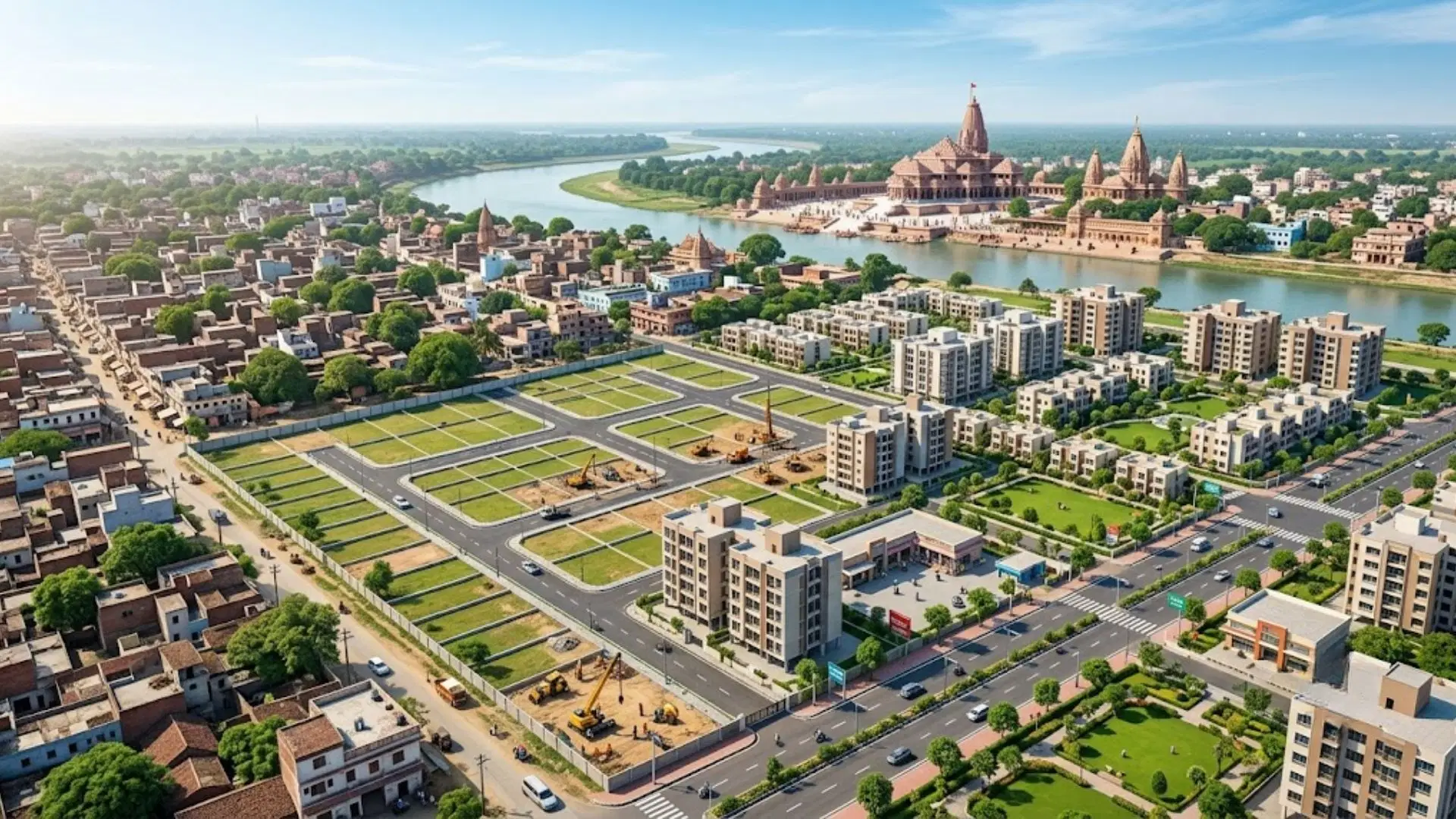
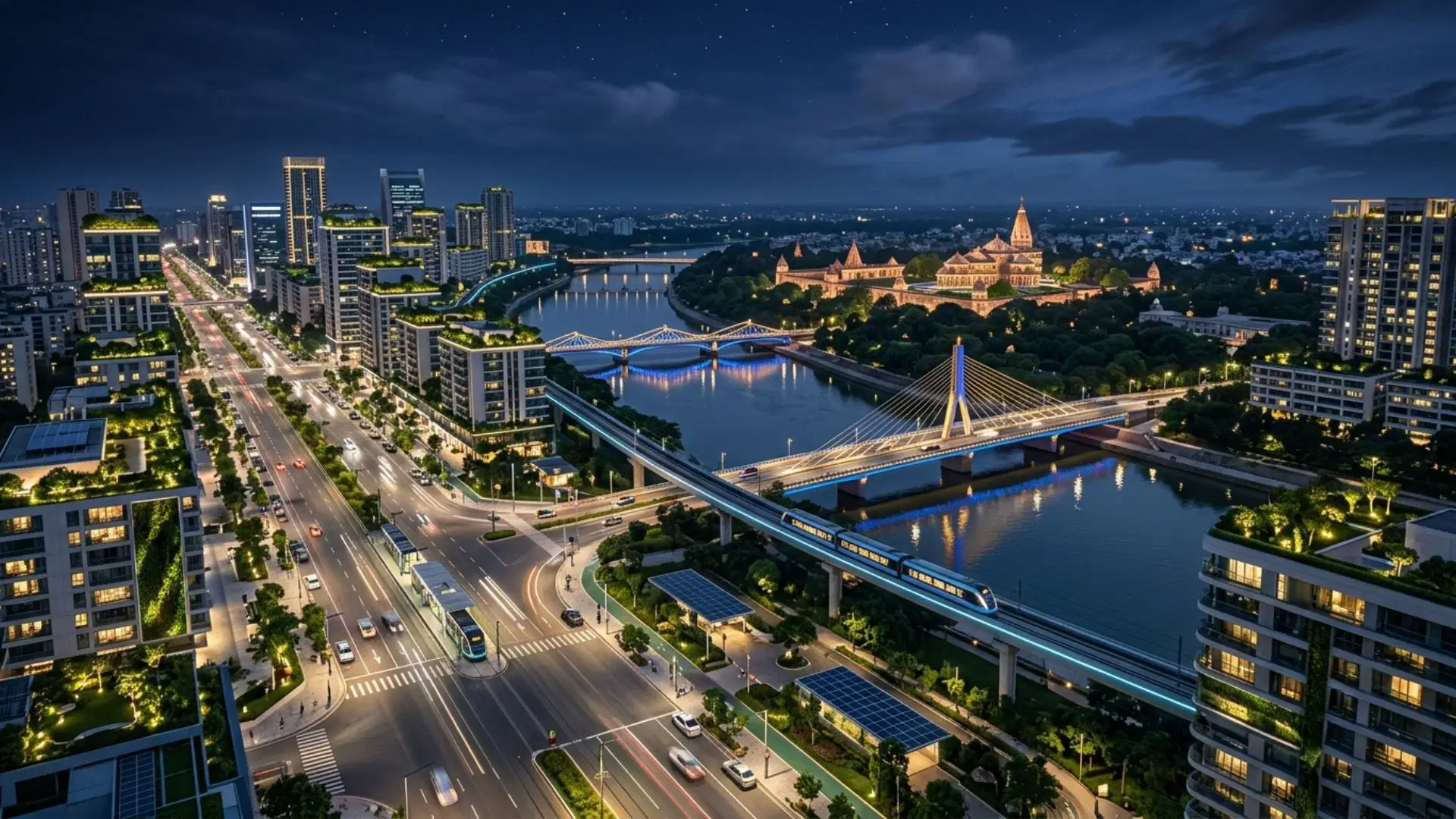
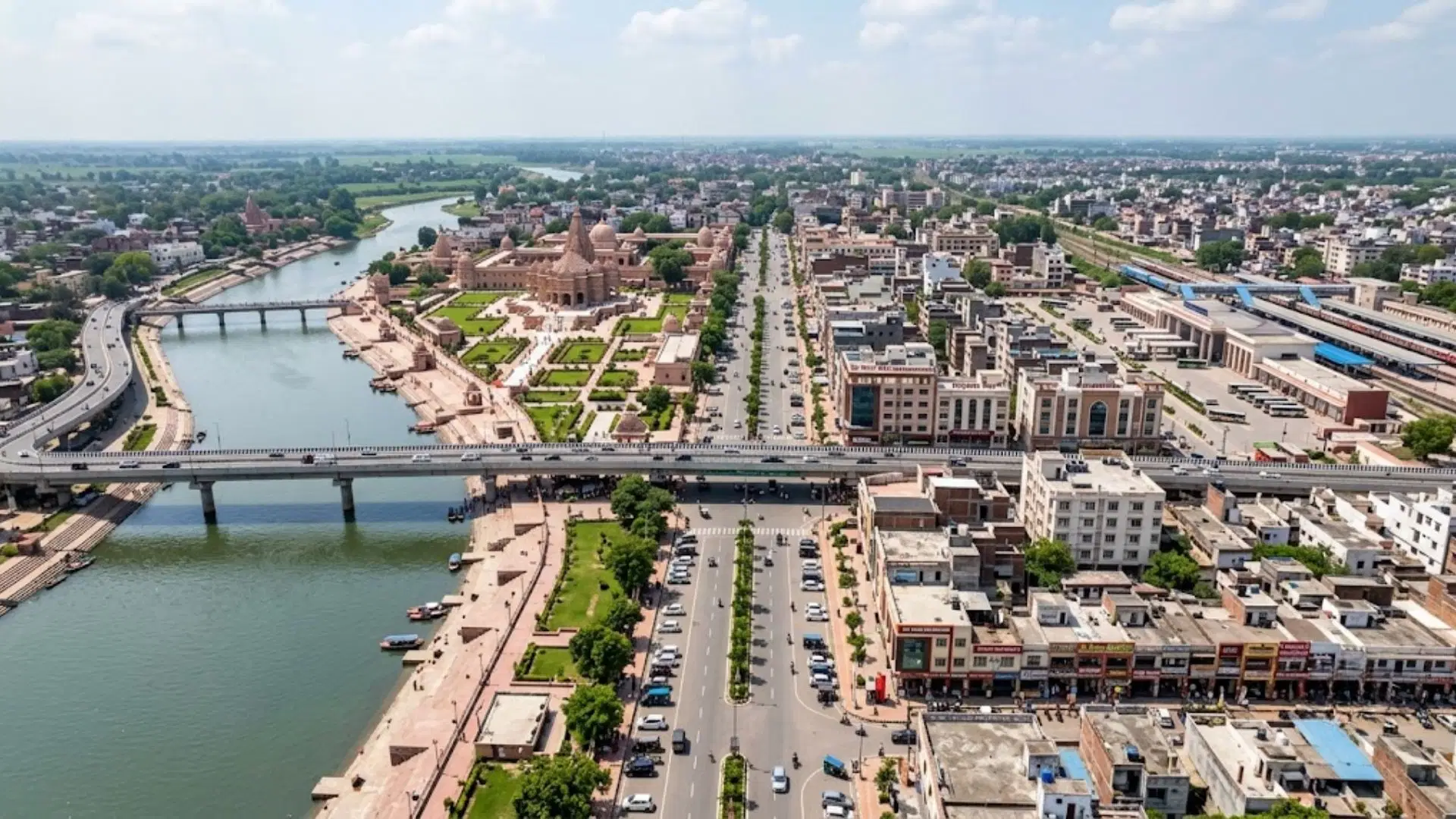
Ayodhya is one of the more unusual entries in India's land-investment conversation, because its growth story isn't primarily about IT parks or industrial corridors. It's built on confirmed religious tourism demand, a functioning international airport, and a government master-planning process that's been underway since at least 2021. For a buyer weighing land here, the verdict depends heavily on separating what's already built and operating from what's still on paper.
The growth case
Ayodhya's transformation since the Ram Mandir's consecration has drawn sustained tourism and pilgrimage traffic to the city, and that demand has been the primary driver behind hospitality, retail, and residential interest in the town over the past few years. Unlike a typical tier-2 IT or industrial growth story, Ayodhya's case rests on a demand base, religious tourism, that's less cyclical than employment-driven migration, though it's also more concentrated: a downturn in tourism footfall would hit the local economy more directly than it would a more diversified city.
Infrastructure that's already built
Ayodhya's international airport is operational, having opened in December 2023, giving the city direct air connectivity it didn't previously have. That's a completed, checkable fact, not a projection, and it's the single most consequential piece of infrastructure behind the city's tourism and real estate growth to date.
The master plan: what's confirmed and what's still evolving
The Ayodhya Development Authority has been working on a Master Plan 2031 alongside a separate Vision Document covering adjoining areas, with the state government approving both plans as parallel development frameworks. As of the plan's original public framing in 2021, it proposed industrial corridors on both sides of a planned ring road, with an industrial area estimated between 50 and 100 acres, according to Hindustan Times reporting cited by Swarajya. A state legislator described the master plan at that time as being in its final stages of vetting. Buyers should treat any land pitch built specifically around ring-road or industrial-corridor completion as tied to a plan that was still being finalized as of its last publicly reported update, not one that's fully executed on the ground today.
Civic infrastructure with confirmed budgets
Separate from the master plan's longer-term proposals, Ayodhya has seen confirmed, budgeted civic works: a first-phase sewer network connecting 20,000 houses across 150 kilometres at a cost of ₹280 crore, and a second phase adding 191 kilometres of sewer lines for 20,316 more homes at ₹320 crore. A water-supply project aims to pipe water to 20,000 houses at an estimated ₹105 crore, and an integrated traffic management system carries a budgeted ₹49 crore, alongside plans for seven new parks and a roughly ten-hectare landfill site. These figures, sourced through Hindustan Times reporting via Swarajya, represent funded civic infrastructure rather than aspirational planning, which makes them a more reliable input into a land-investment thesis than the industrial-corridor proposal above.
Tourism and rental yield potential
Ayodhya's tourism-driven demand supports a case for hospitality-linked and short-stay rental real estate that's distinct from a typical residential rental yield story elsewhere. That said, published, independently sourced rental-yield figures specific to Ayodhya aren't available in current market research, so any specific yield percentage quoted by a developer or broker should be treated as unverified until traced to a named source.
Micro-market considerations
Land value in Ayodhya varies significantly by proximity to the core temple zone versus the airport corridor versus newer planned residential areas, and this piece deliberately avoids quoting specific micro-market pricing, since the hard rule for this kind of content is that no pricing figure should be published without independent RERA sourcing, and pricing in a fast-moving market like Ayodhya's changes quickly enough that a specific number risks being stale on publication. A buyer should get current RERA-filed pricing for any specific project directly, rather than relying on a blog's snapshot.
Financing and holding-period considerations specific to Ayodhya
Given how much of Ayodhya's infrastructure upside sits in a master-planning process rather than completed construction, this is a market where a longer holding period matters more than in a city with already-built industrial or transit infrastructure. Buyers should also expect the same land-financing constraints that apply nationally, banks generally offering land loans only against a defined construction plan, meaning most Ayodhya land purchases will be substantially self-funded rather than leveraged.
Risks and due diligence
Ayodhya's growth case, more than most cities in this list, concentrates risk around a single demand driver: religious tourism. Buyers should also specifically verify which parts of any development's infrastructure pitch, the ring road, the industrial corridor, specific road widening, are funded and under construction versus still part of the master plan's longer-term proposal. As with any Indian land purchase, RERA registration, verified title, and confirmed land-conversion status remain non-negotiable checks regardless of how compelling the tourism story is.
How Ayodhya's model compares to industrial or IT-led tier-2 growth
Most tier-2 cities in India's current growth conversation, Nagpur among them, are building their case on industrial corridors, logistics hubs, or IT employment. Ayodhya's case is different in kind: it's anchored in religious tourism and heritage significance, a demand driver that doesn't scale or diversify the way an employment-driven economy does, but one that also isn't tied to global trade cycles or IT sector hiring trends the way an industrial or tech corridor is. Buyers should treat Ayodhya as a distinct category of tier-2 opportunity, not a variant of the standard industrial-corridor story, and underwrite it accordingly.
Questions worth asking any developer marketing land in Ayodhya
Given how much of Ayodhya's master plan was still being finalized as of its last public update, a buyer should ask any developer directly: which specific infrastructure commitments, ring road access, industrial corridor proximity, road widening, apply to this exact plot, and are they funded and under construction or still part of the broader master plan proposal? A developer who can answer this precisely, with reference to specific, dated government approvals, is offering a meaningfully different level of diligence than one who gestures broadly at "Ayodhya's growth story."
Long-term perspective
Ayodhya's investment case is best read as a multi-year to decade-long thesis tied to the Master Plan 2031 horizon and continued tourism growth, not a short-term appreciation play. Buyers comfortable with that time horizon, and willing to separate confirmed infrastructure from proposed infrastructure when evaluating any specific project, have a reasonable basis to consider the city. Buyers looking for near-term liquidity or return certainty should look elsewhere.
HOABL in Ayodhya
HOABL's Sarayu development in Ayodhya is a branded plotted concept built in collaboration with The Leela, positioned around large-format villa plots and an extensive amenity program. As with any project in this city, the relevant diligence for a prospective buyer is independent of the brand pairing: confirm RERA registration, verify the land's title and conversion status, and understand exactly which of the city's infrastructure commitments, completed or proposed, actually applies to that project's specific location.
FAQs
Is Ayodhya a good place to invest in land in 2026?
It has a genuine, tourism-driven growth case supported by a completed international airport and confirmed, budgeted civic infrastructure. Its master plan's industrial and ring-road components were still being finalized as of their last publicly reported update, so buyers should separate confirmed infrastructure from proposed infrastructure before underwriting any purchase.
What infrastructure is actually complete in Ayodhya today?
The city's international airport, operational since December 2023, along with first-phase sewer and water infrastructure with confirmed budgets. Ring-road and industrial-corridor components of the Master Plan 2031 were still in development as of their last public update.
Does Ayodhya's real estate growth depend entirely on tourism?
Largely, yes, which makes it a more concentrated demand story than a typical industrial or IT-driven tier-2 market. That's a factor to weigh, not necessarily a reason to avoid the market, but it's different from a diversified-economy city.
Should I trust specific price or rental-yield figures for Ayodhya land?
Only if they're tied to a named, current source. Published, independently verified rental-yield data specific to Ayodhya isn't currently available, and this article deliberately avoids quoting land prices that aren't independently RERA-sourced.
How is Ayodhya's growth story different from an industrial or IT-driven tier-2 city like Nagpur?
Ayodhya's demand is anchored in religious tourism and heritage significance rather than industrial or IT employment. That makes it less exposed to global trade or tech-hiring cycles, but more concentrated around a single demand driver than a more economically diversified city.
What should I ask a developer before buying land in Ayodhya?
Ask precisely which infrastructure commitments apply to the specific plot on offer, and whether those commitments are funded and under construction or still part of the broader master plan proposal. A developer who can answer with specific, dated government approvals is offering more than a general growth narrative.
This article is for general information only and isn't investment advice. Infrastructure and master-plan timelines are subject to change; verify current status and RERA registration independently before investing.