Vrindavan Properties: What Buyers Should Compare Before Shortlisting One
18 Jun 2026
Vrindavan, the land of temples and spiritual values, is now also being considered for property ownership. It is not enough to go only by the name of the location and distance from temples while searching for properties in Vrindavan. One has to compare the basic features of properties, such as type of property, approach to property, approvals, usability, documentation and maintenance.
To many, Vrindavan is associated with family visits, spiritual growth, retirement homes or long-term ownership. Importantly, the numerous properties on offer in Vrindavan will have different uses for different buyers. Hence, a comparison of the various options would be in order.
Start With the Purpose of Buying
Start by defining the reasons why you want to buy a property in Vrindavan before comparing Vrindavan properties.
Buyers should ask:
- Is the property for weekend or festival visits?
- Will it be used often by family members?
- Does the buyer intend to construct in the future?
- Will it be held as an investment?
- Does the buyer prefer land, a villa or a managed development?
- How much maintenance will the buyer be able to manage?
Compare the Property Type
To shortlist your search for a property, it is very important to compare the various formats available in Vrindavan, such as land-led ownership, villa-format property or a planned development with amenities and maintenance.
Plotted development projects may suit buyers who are looking to purchase a piece of land and build on it at a later time. Other property formats, such as villa projects, may suit buyers who want a built-form property that can be used by the family.
When making comparisons, buyers should focus on these aspects of property type:
- The intended use of the land
- Whether they want to build later or use the property sooner
- The maintenance they can manage
- Good access to internal roads, facilities and security
- Legal certainty, approvals and possession periods
- Long-term family use and future resale potential
Once a buyer has understood the property type that suits the required use, he or she can then review the various properties listed under planned developments. For example, Navratna at Vrindavan Global offers plotted development options, while The Raas Villas brings in a villa-led format within Vrindavan Global. The decision should depend on whether the buyer prefers land ownership, a ready built-form experience, maintenance support, amenities and long-term family use.
Compare Location and Access
Location of properties in Vrindavan is very easy to get carried away by emotional attachment to the temples and focus only on how close a property is to a particular temple. But it is also important to note that the location of a property should be judged by how easily one can access the property and whether it is useful for the buyer in practical terms.
Some essential location checks are:
- The proximity of main roads
- Approach road width and quality
- Access during high-footfall days
- Connectivity to Mathura and nearby town areas
- The availability of facilities needed for daily use
- Distance to the railway station, bus routes and highways
- Surrounding development and future growth potential
Compare Legal Clarity and Approvals
Location is a major consideration when buying a property. It might be of special significance to buyers for spiritual or religious reasons. It may also be in a location that is increasing in popularity and seeing regular footfall. The sentiment and potential of a location can be a big draw for any buyer, but it is vital to check the property and carry out key property searches to establish the legal position of the property.
Buyers should check:
- Title deed and ownership history
- Land-use and zoning permissions
- Encumbrance details
- Approved layout plan
- RERA registration, where applicable
- Development authority approvals
- Boundary clarity
- Possession terms
- Maintenance responsibilities
You can refer to this guide on Vrindavan property laws. It is a detailed guide for plot buyers regarding documentation and legal checks required before entering into a transaction.
Compare the Project Infrastructure
If the buyer is looking at a planned or under-construction project, the comparison should not be made only on the basis of plot size and price per sq. ft. As a buyer, one must also compare the project infrastructure, how useful it will be after purchase, how it will be maintained and the overall experience of living in the project.
Before shortlisting, buyers should ask whether the project has:
- Internal roads
- Water supply planning
- Drainage and sewerage systems
- Street lighting
- Boundary planning
- Open spaces or parks
- Security and maintenance systems
- Clear project-level documentation
Compare Plot Size, Built Form and Future Use
When comparing different properties, also compare the physical format of the development, i.e. a small plot of land, a large plot of land, Vrindavan Villas or a development of plots on a planned estate.
The comparison should include:
- Plot or villa size
- Usable space
- Type of structure that can be built
- Amenities included
- Common-area maintenance
- Possession terms
- Future use by family
- Resale and transfer conditions
Compare Lifestyle Fit
Vrindavan, apart from being a real estate market, is also a spiritually and culturally rich location. Therefore, the properties a buyer selects should also reflect their way of life.
The site visit to shortlisted properties is one of the most important steps for any buyer to judge whether the chosen property can actually fulfil the buyer’s desired lifestyle. A buyer must also try to understand the property’s neighbourhood, the route to reach the property, the level of noise, local activity, crowd movement and ease of access during peak hours.
Compare Developer Credibility and Support
When purchasing, it is critical to assess the credibility of the developer in order to complete the purchase smoothly. For this reason, buyers should examine the developer’s past experience, ability to deliver on time, customer service, documentation process and proposed maintenance structure.
Similarly, for branded projects under development, one can expect a more systematic process in place. However, it is always wise to verify critical parameters such as approvals, timelines for allotment, terms and conditions for maintenance and the payment schedule.
Conclusion
Vrindavan may be considered by buyers looking for a weekend home or long-term ownership in a location that offers spiritual value and a family-friendly environment. However, while finalising a shortlist of properties, a buyer should not limit themselves only to temple proximity, the brand name of the developer or future expectations.
Compare the reasons for buying a property, the type of property on offer, the approach to getting to and from the property, the legal documents, necessary approvals, project infrastructure, maintenance and repair terms and the credentials of the developer. The right property depends on the buyer’s actual use.
FAQs
What should buyers compare before shortlisting a property in Vrindavan?
When shortlisting properties for buying in Vrindavan, buyers must compare location, type of property, clear property title, permitted land use by local authorities, approach road, approved development plan or layout, RERA registration, if applicable, existing project infrastructure, terms and conditions of maintenance and the developer’s track record.
Is temple proximity the most important factor when buying in Vrindavan?
Temple proximity can have emotional value but should not be the only consideration for a buyer looking to buy property in Vrindavan. The road from which the property is accessed, surrounding development, legal documents, property approvals and how the buyer intends to use the property in the long run are some of the factors that should be considered.
Are planned developments better than standalone land parcels in Vrindavan?
A planned development may be preferred by some buyers as it can offer a more structured way of living. However, it is very important to verify the approvals of the development, possession terms and conditions, RERA registration, if applicable, maintenance charges and, most importantly, the credibility of the developer. A standalone plot of land may offer more flexibility, but it would require a thorough check on legal formalities and accessibility of the plot.
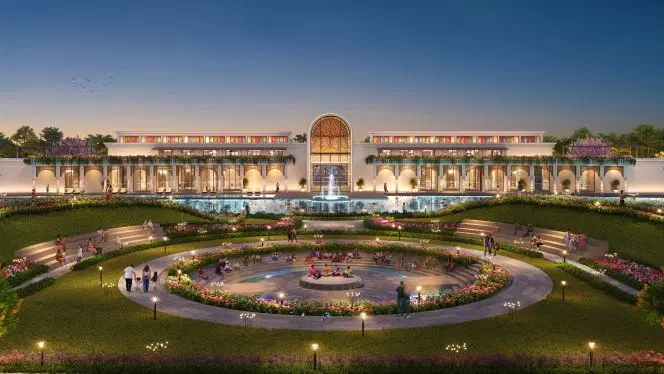
Codename S.E.Z. Vrindavan
Vrindavan, Uttar Pradesh
World’s Only Sensorial Branded Land Development in Vrindavan.
1248 sq. ft
Starting at ₹ 1.35 Crore(all-in)
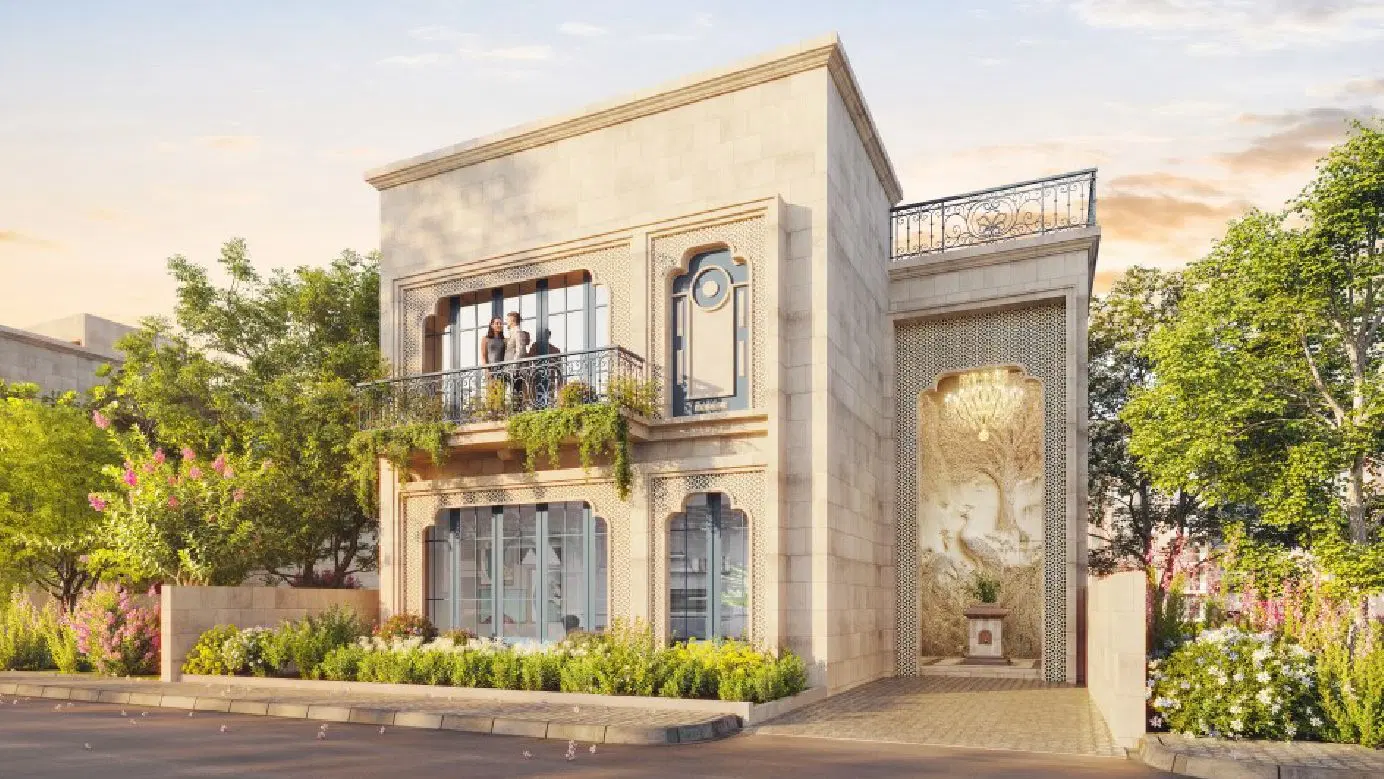
The Raas Villas
Vrindavan, Uttar Pradesh
An invite-only collection of 12 exclusive heritage villas, crafted to be heirlooms for generations.
2002 sq. ft
Starting at ₹ 4.75 Crore(all-in)