How do real estate developers create branded land experiences for buyers in India
06 Oct 2026
What Is a Branded Land Experience in India?
A plot has a location, a size and a price. A branded land experience adds more to that basic offering. It may include a theme, planned amenities, a recognised developer and a particular idea of how the community will look and feel.
That package is becoming more common in India's real estate market. But the brand should not be the only thing a buyer looks at. This guide explains how branded land projects are marketed, what developers offer and what you should check before paying. A strong brand does not remove the need for legal and financial checks.
What a branded land experience means
A traditional land purchase is fairly simple. You find a plot, check the boundaries and negotiate the price. Much of the planning happens later, after the purchase.
A branded land experience takes a different approach. The developer usually starts with a master plan, a theme, specific amenities and a broader plan for the community. The idea is to give buyers a clearer picture of what they are buying and what the project is expected to become.
This matters because buyers are no longer comparing plots only with other plots. They may also be looking at finished homes, gated communities and managed developments. With a bare plot, the buyer has to figure out the construction, layout and future use. A branded project presents that vision in advance.
For buyers, one practical advantage is accountability. You know who is responsible for the development and where to raise concerns if something does not match the promise. HOABL positions itself as India's largest real estate branded land developer, which reflects how the market has moved beyond the traditional standalone plot sale.
Thematic storytelling and lifestyle branding
Why developers use a theme
Most buyers remember a clear idea more easily than a survey number. A wellness project, forest estate or coastal villa plot creates a picture in the buyer's mind.
The theme also helps developers target different groups. A wellness project may focus on open areas, walking trails and quieter surroundings. A luxury project may focus more on design, privacy and services. A nature-led development may highlight trees, water and views.
The same plot can look different to different buyers. Someone looking for a weekend home may care about the setting, while an investor may be more interested in the location, legal status and long-term demand.
The story still needs proof
Marketing language is not the same as a legal commitment.
If a project talks about an orchard, forest area or waterfront access, ask where that feature appears in the sanctioned layout. Also find out who will own, maintain and manage it.
If an important feature cannot be found in the approved plan or agreement, do not assume it will be delivered simply because it appears in the brochure.
Infrastructure and amenities
A theme does not mean much if the basic infrastructure is missing. Roads, drainage, electricity, water supply and usable green areas need attention first. Clubhouses, sports facilities and wellness centres come after that.
Developers usually design amenities around the project's positioning. A nature-themed project may place greenery along internal roads, while a luxury project may make the clubhouse a central part of the layout.
Approvals matter here too. One Godrej Properties plotted project in Nagpur states that its clubhouse development is subject to sanctioned approvals from the Collector's office. That is the kind of detail buyers should read carefully.
Do not assume every facility shown in a brochure is already approved or under construction. Ask which amenities are complete, which are being built and which are still planned. Where possible, get those commitments into the agreement.
A site visit is useful as well. Look at the roads, drainage and street lighting that are already there. A finished road gives you more information than a computer-generated clubhouse image.
Brand partnerships and collaborations
Some projects use another recognised brand to strengthen their identity. Trump Residences in Gurugram is one example. Smartworld Developers is responsible for the project, while Tribeca Developers, the official representative of the Trump brand in India, handles design, marketing, sales and project management consultancy.
Elie Saab has also entered India's branded residential market. M3M India and Smartworld Developers announced Signature Residences by Elie Saab in Gurugram and Noida in January 2026. The projects include furniture and décor from the Elie Saab Maison collection.
A partner brand can influence the design and marketing of a project, but it does not take responsibility for everything. Title, approvals and construction remain important.
Before buying, ask who has the right to use the brand name, how long that agreement lasts and what happens if the partnership ends. A project can be marketed under a famous name today and have a different position later.
Experience centres and experiential marketing
Selling an undeveloped plot can be difficult because buyers cannot physically see the finished project. Developers therefore use experience centres, scale models, site galleries and virtual reality tours to show what the development may look like.
These tools can be useful, but they should not be treated as proof of what will actually be delivered.
Godrej Properties, for example, notes on its project page that some images are artist's impressions of the anticipated appearance of ongoing development. That distinction matters.
Compare the model and renders with the approved layout. Ask which parts are covered by sanctioned plans and which are simply design concepts. If something shown to you is important to the purchase decision, ask for it in writing.
Digital-first engagement and technology
For many buyers, the first interaction with a project now happens online. Developers use videos, social media, virtual tours and online advertising to bring people into the sales process.
For buyers living in another city or country, drone footage and 3D tours can reduce the need for repeated visits. Our guide to virtual land buying consultations covers this process for remote buyers.
Digital tools are useful for narrowing your options. They should not replace document checks or a physical inspection. A virtual tour only shows what the developer chooses to show. It cannot confirm title, boundaries or approvals.
The same applies after purchase. Payment reminders, construction updates and community announcements may all be handled digitally. The way a developer communicates can give you an idea of how the customer relationship may work after the sale.
Trust, transparency and legal compliance
HOABL's project documents page provides approvals and legal references for selected developments.
A RERA registration number is a useful starting point, but do not stop there. Check the project on the relevant authority's website and match the promoter name, approved area and completion date with the information given by the sales team. You should also hire your own property lawyer to check the title and other legal documents.
Branded land and residence projects in India
Most large branded developments in India are still apartments and townships. Plotted projects are less common, but they follow many of the same ideas: a theme, a brand, planned amenities and a defined lifestyle.
HOABL
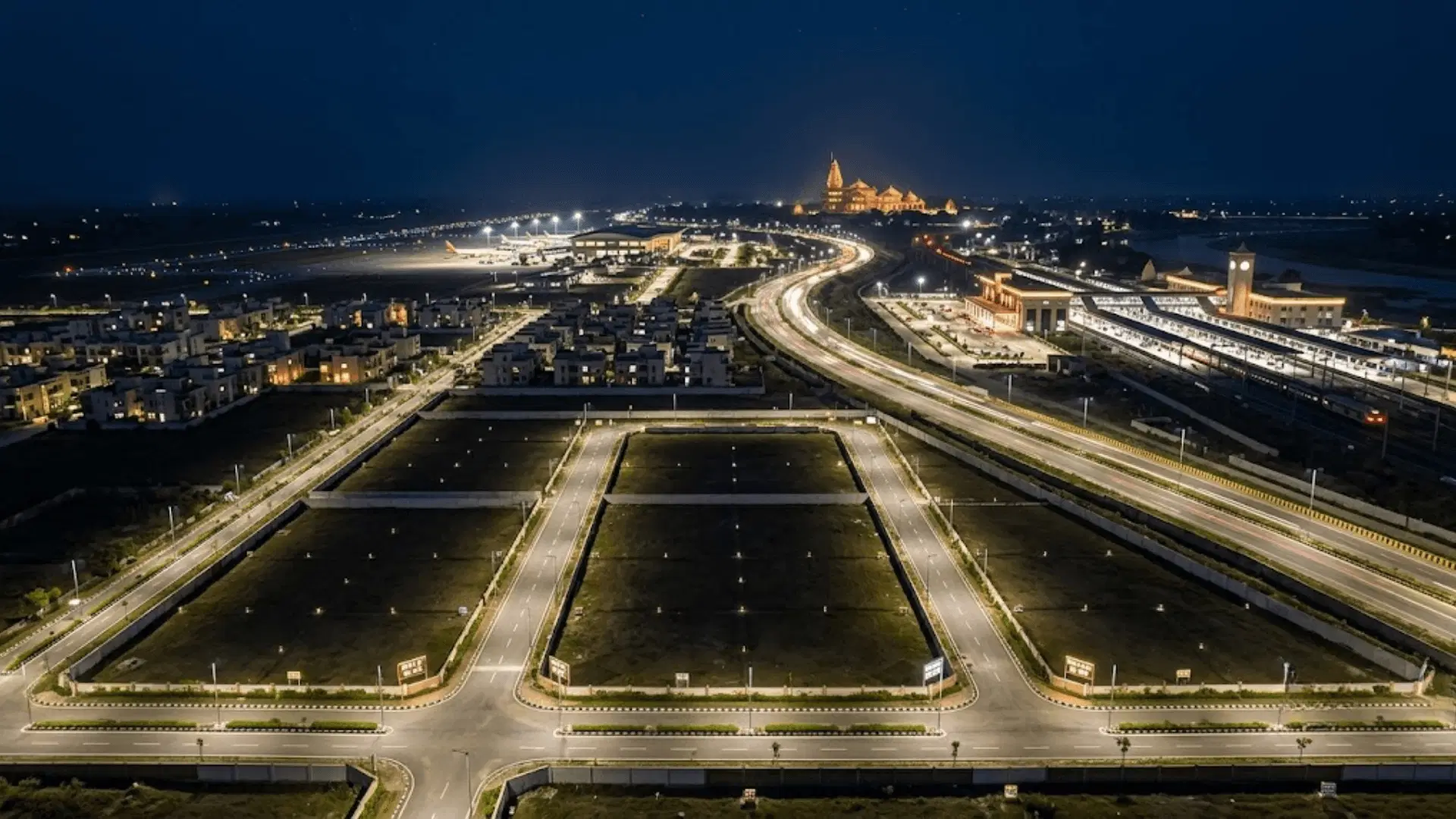
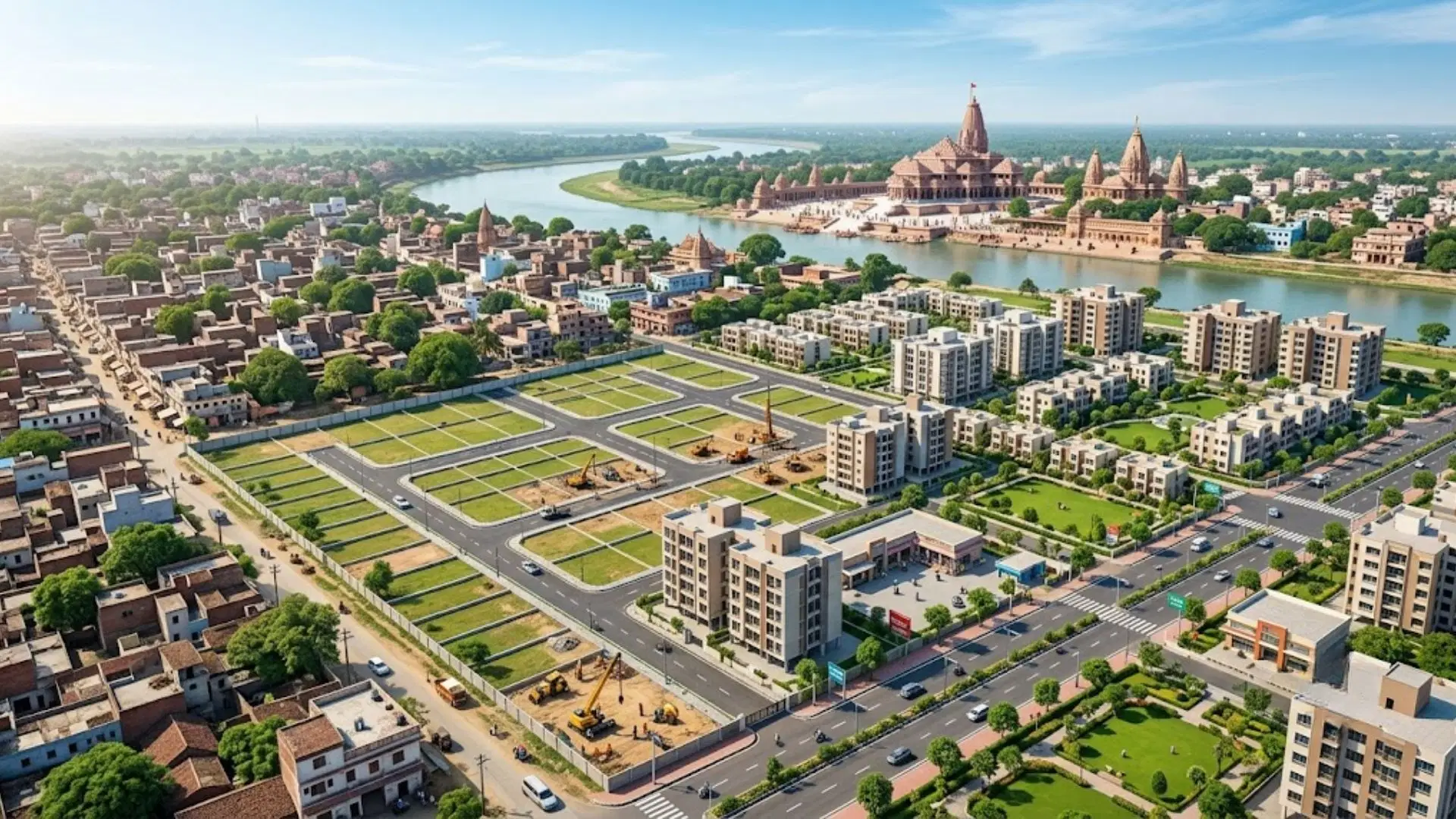
HOABL presents The Sarayu Gold as villa land along the Sarayu in Ayodhya. The company also lists more plots in Ayodhya.
As with any branded development, buyers should carry out their own checks before committing.
Godrej Properties
Godrej Reserve is a forest-themed plotted development between Kempegowda International Airport and Nandi Hills. Godrej Orchard Estate in Nagpur uses an orchard theme, with a fruit tree planned for each plot.
In Panipat, Evora Estate follows a Mediterranean theme. The company reported plot sales of more than Rs 1,000 crore since its December 2025 launch.
Smartworld Developers
Smartworld and Tribeca launched Trump Residences in Gurugram with 298 units. The developers reported that the project sold out on launch day, generating Rs 3,250 crore in sales.
The Elie Saab project in Gurugram plans 300 four-bedroom residences ranging from 4,200 to 4,650 square feet.
DLF
DLF takes a broader township approach. DLF Privana is a 116-acre integrated township in Sectors 76 and 77, Gurugram.
The company reported selling all 1,164 apartments in Privana North for around Rs 11,000 crore within a week. DLF also said that NRIs accounted for about 25% of Privana South sales.
What buyers can gain
A branded project may offer planned infrastructure, a known developer, a defined community and an easier story to explain when reselling. But none of these guarantees appreciation.
A project selling out quickly shows that buyers were interested at launch. It does not tell you what the property will be worth later.
Premium pricing can also reduce the number of buyers willing to purchase the property in the resale market. Look at competing plots nearby and compare their prices.
What to check before investing
Start with the developer's previous projects. Visit at least one completed development if possible. Look at whether promised infrastructure was delivered and how long it took.
Check the RERA registration, title and approvals. Read the agreement carefully and compare the promised amenities with what is actually written there.
Also ask who will maintain the project after handover and how maintenance charges will be calculated. Find out how the development will be phased. A long construction period can mean living next to ongoing work for years.
Before you buy into the story
The brand, theme and clubhouse images are only part of the purchase. The approved layout, title documents and agreement matter much more when it comes to protecting your ownership.
Review both sides of the offer. If the developer is comfortable with you checking the documents and getting independent legal advice, that is a useful sign.
FAQs
What is a branded land experience?
It is a plotted project sold as a broader package that includes a master-planned layout, a theme, planned amenities, a recognised developer or partner brand and a plan for the community after handover.
Are branded residences the same as branded land?
No. Branded residences are usually homes or apartments associated with a partner brand. Branded land applies a similar idea to plots and villa land, where buyers may build later.
Does a brand name guarantee appreciation?
No. A recognised name may indicate planned infrastructure and an established developer, but future prices depend on location, timing, legal status and market conditions.
What should I verify before buying into a branded project?
Check the RERA registration, title and approvals through independent sources and your own lawyer. Compare promised amenities with the agreement and ask who will handle maintenance after handover.